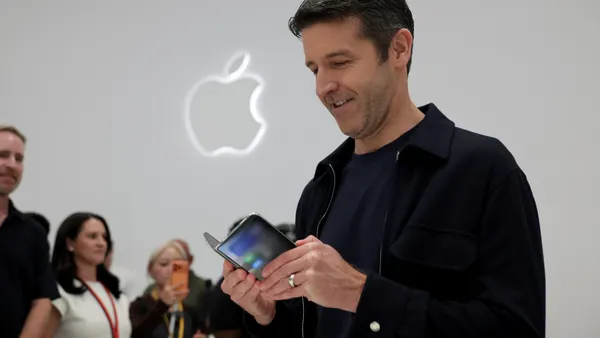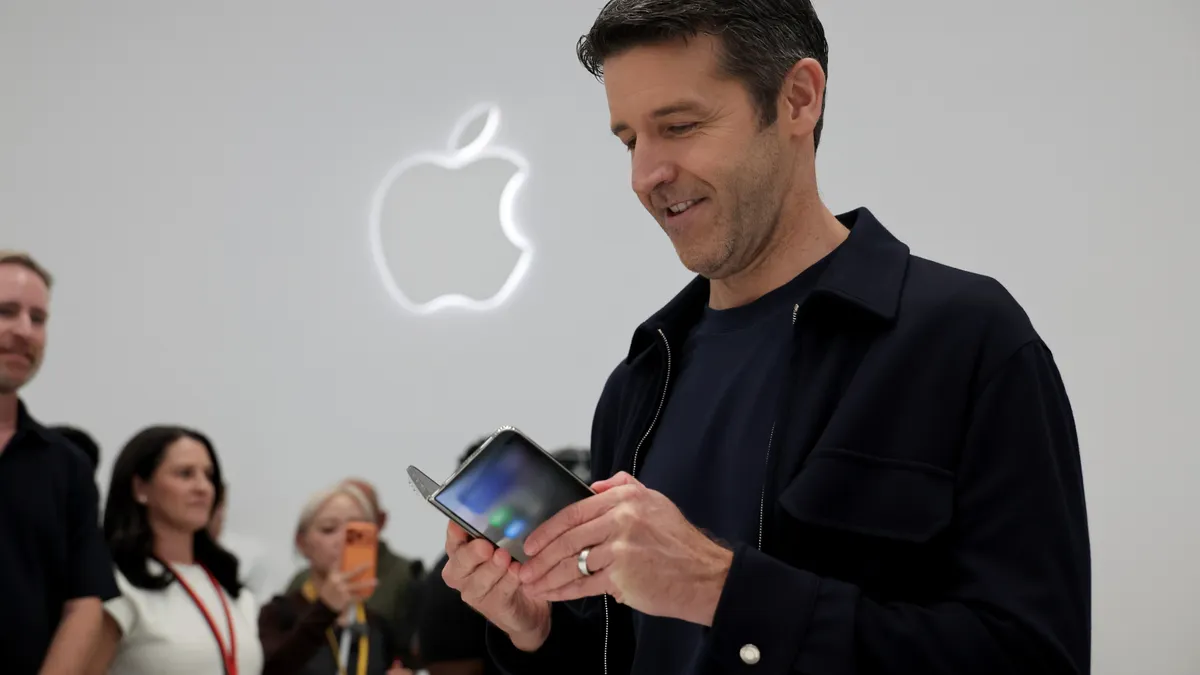
Apple’s priciest iPhone to date, a $1,999 foldable model unveiled last week, also marks a test for Klarna Group’s new device leasing program with the technology giant.
The companies debuted the lease option two months ago for four existing device categories – including phones and tablets – but Apple’s latest slate announced Wednesday carries heftier pricing.
Apple and Klarna are wading into the consumer leasing waters together for the first time with the launch last week of the tech titan’s $1,999 foldable iPhone Duo and an iPhone 18 Pro starting at $1,199.
At the end of a Klarna-Apple lease, which is typically 12 or 24 months, the consumer can return the device and upgrade to a different one, buy it by paying a “purchase option fee” or return the device and leave the program.
A Klarna spokesperson did not reply to an email Friday seeking comment on leasing volumes the company expects.
Klarna failed to land a partnership with Apple 11 years ago as it sought to finance the company’s gadgets, Klarna CEO Sebastian Siemiatkowski said during a presentation Wednesday at the Goldman Sachs Communacopia and Technology conference.
“At that point in time, we were basically absent in the U.S. It was probably a bit early to win that deal,” Siemiatkowski said.
Instead, Apple turned to Citizens Bank to offer a zero percent interest financing and upgrade program beginning in September 2015. As part of a financing plan revamp announced in July, zero-interest financing from Apple is available only though the company’s own card, which is issued by Goldman Sachs.
Siemiatkowski said Apple approached Klarna to discuss changes to its existing device upgrade program. “We were very pleased that we got the opportunity to pitch and then finally also win this deal,” he said.
Under the program, Klarna will finance the purchase and earn a return from the scheduled payments, although it has not offered financial details. Klarna shares specific terms of a lease with each customer at sign-up, a Klarna spokesperson said in July. Apple’s website says monthly lease payments carry no fees.
The devices, including a $799 watch, will also begin testing U.S. consumers’ appetites for rentals. The device-leasing program is the first for Apple, which is seeking to move hardware into a subscription model as it has with music, television and digital storage products.
Leasing will likely help Apple and Klarna prompt consumers to upgrade their devices more frequently, Aaron Press, research director for market researcher IDC Insights, said by email.
“I view this (program) more as an upgrade incentive innovation than a payments innovation,” Press wrote when Apple and Klarna announced the new program in late July. “If consumers don’t truly own their devices, they are less likely to keep them long term.”
The turn toward leasing “could also be an indication that the new devices are not sufficiently differentiated to drive upgrades on their own, so a new financial incentive is needed,” said Press, who focuses on payments.
Today, Klarna is focused on attracting new users, its CEO said, noting a range of consumer services, including a mobile phone service with a few thousand subscribers. “There’s a lot of features live,” Siemiatkowski said at the Goldman conference. “But the question now is how do we grow the adoption rate of (Klarna) products?”