Stablecoins will likely bolster the dollar’s role in the global financial system given the extent to which these digital assets are overwhelmingly tied to the dollar.
That was among the conclusions by presenters at the fifth Conference on the International Roles of the U.S. Dollar, which focused heavily on the role and growth of stablecoins and their implications for the currency.
Stablecoins and innovations in cross-border payment systems are “most likely to shape the future international monetary system,” according to the Fed’s summary of the event. The two-day conference last month in Washington was co-hosted by the Federal Reserve Board and the Federal Reserve Bank of New York.
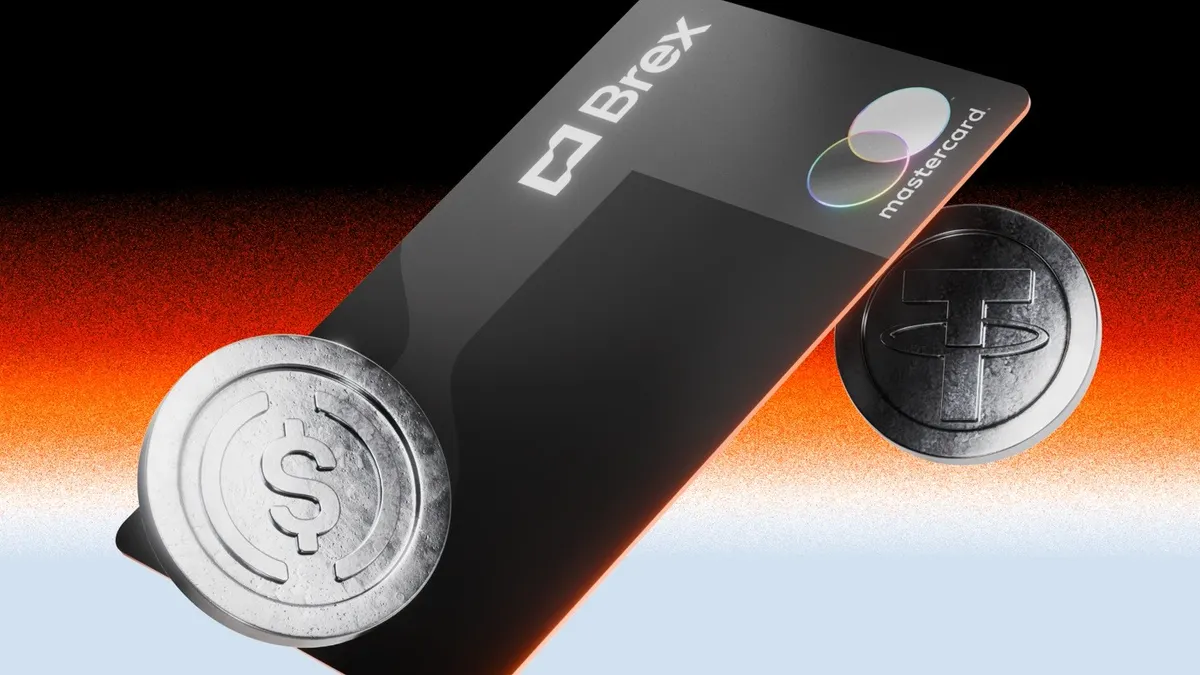
Stablecoins are linked to the value of a fiat currency, such as the U.S. dollar or euro, with their value considered less volatile than other cryptocurrencies, such as Bitcoin and Dogecoin.
About 97% of currency-backed stablecoins are tied to the U.S. dollar, according to a March report on stablecoins from the Financial Action Task Force, a 40-nation body that targets money laundering and terrorist financing.
Analysts at at the credit ratings firm Moody’s Ratings put their estimate of dollar-pegged stablecoins’ market share even higher – at 99% – in a May report.
“The global monetary system is entering a period of renewed competition between public and private forms of money,” Eswar Prasad, a Cornell University economics professor, argued in his keynote address, according to the Fed’s summary.
In this contest, digital currencies will be exchange mediums, while central bank money will remain “the primary settlement asset and store of value,” Prasad contended.
Opening the conference, Federal Reserve Gov. Christopher Waller noted that innovation in digital assets is shaping the dollar’s international role.
“Technological innovation is increasingly altering how households and businesses interact with dollars,” Waller said in his remarks, referring to new types of digital assets and changes to payment rails that move these dollar-denominated assets. He also noted that private sector innovation is affecting financial services, creating new “areas of competition.”
“As an economist, I believe that is a good thing — more competition generally leads to better outcomes for both consumers and society as a whole,” Waller said.