If Canadian payments processor Nuvei acquires Payoneer Global, it will bolster its business in cross-border payments and stablecoin disbursement, benefiting from a global regulatory structure for moving money.
News that Nuvei was in advanced conversations about acquiring Payoneer for $2.7 billion was reported Tuesday by Reuters.
“The acquisition is a bold move and looks set to create a real North American payments powerhouse,” Gilles Ubaghs, an executive advisor with the commercial banking and payments practice at Datos Insights, said by email. “The disbursements piece in particular is quite an interesting one that’s ripe for further growth as companies look to modernize their [business-to-business and business-to-consumer] payout capabilities beyond checks.”
The deal would benefit Nuvei in two ways, according to Mark Palmer, a senior research analyst following fintech and digital assets for Benchmark, a StoneX company. First, an acquisition of New York-based Payoneer would enhance Nuvei’s ability to process payments for small and mid-sized businesses, especially e-commerce sellers and freelancers, across emerging markets within Southeast Asia and Latin America.
Second, Montreal-based Nuvei would gain connectivity to leading online marketplaces, including Amazon.com, Fiverr, and eBay, which would make the processor more attractive to SMBs, Palmer said. Nuvei processes payments in more than 200 markets, acquires transactions locally in 52 markets, and supports 150 currencies and 720 alternative payment methods, according to the company’s website.
When asked by email to comment on any acquisition talks, a Payoneer spokesperson said the company does not “comment on rumors or speculation.” A Nuvei spokesperson did not respond to requests for comment.
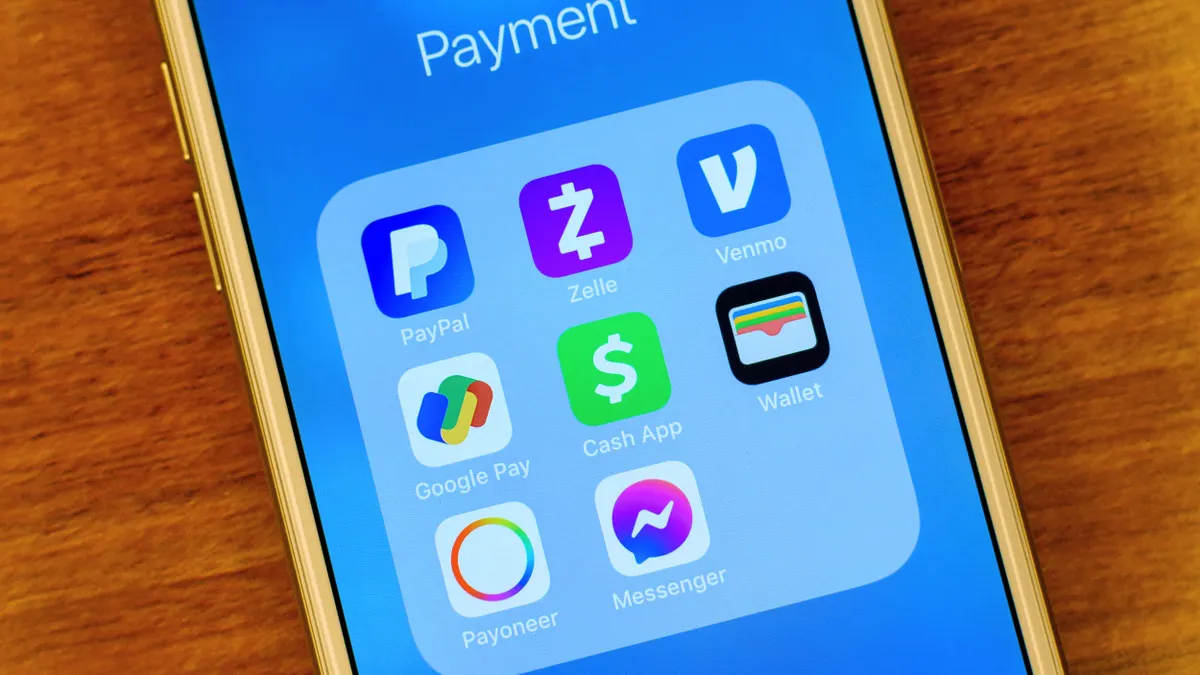
One area where the two companies have synergy is the movement and conversion of stablecoins to spendable currency. Payoneer allows users to send, receive, hold, and convert stablecoins to fiat currencies through its platform. Nuvei offers on- and off-ramps for converting digital assets and stablecoins into fiat currencies.
“Payoneer would provide Nuvei all the technology it would need to fill in the backend of stablecoin transactions,” Palmer says. “Nuvei would then have its own closed-loop payment network [that it could use as needed]”.
While the reported acquisition price may look high on paper, it is often more cost effective for a processor to acquire a “proven technology stack than to build one itself, especially if it can expand its portfolio of customers in the process,” says Cliff Gray, a Chicago-based consultant at Gray Consulting Ventures.
The competitive edge in stablecoin processing Nuvei would gain by acquiring Payoneer is the ability to make stablecoins a viable payment option, as opposed to just a trading asset, according to Palmer.
“There is a lot of focus on stablecoin issuance, but not as much on providing off-ramps for stablecoin transactions,” said Palmer. “If the recipient can’t convert a stablecoin to a fiat currency, that diminishes their usefulness.”
In a research note sent to Benchmark clients Tuesday, Palmer wrote that Nuvei and Payoneer are “moving toward the same stablecoin endpoint from different sides.”
Nuvei, for example, has secured crypto-related service providers licenses in Europe, built stablecoin cross-border B2B payment rails in Latin America, and extended its proprietary clearing and settlement into the U.S. and Canada, the Benchmark note said.
Payoneer, on the other hand, is developing its stablecoin infrastructure through “distribution, pairing an installed base of emerging-market sellers who are natural users of dollar-denominated payouts with a pending U.S. banking charter framed explicitly around stablecoins,” the Benchmark note said. “Combining Nuvei’s settlement engine and crypto licensing to [Payoneer’s] platform and float could accelerate such plans.”
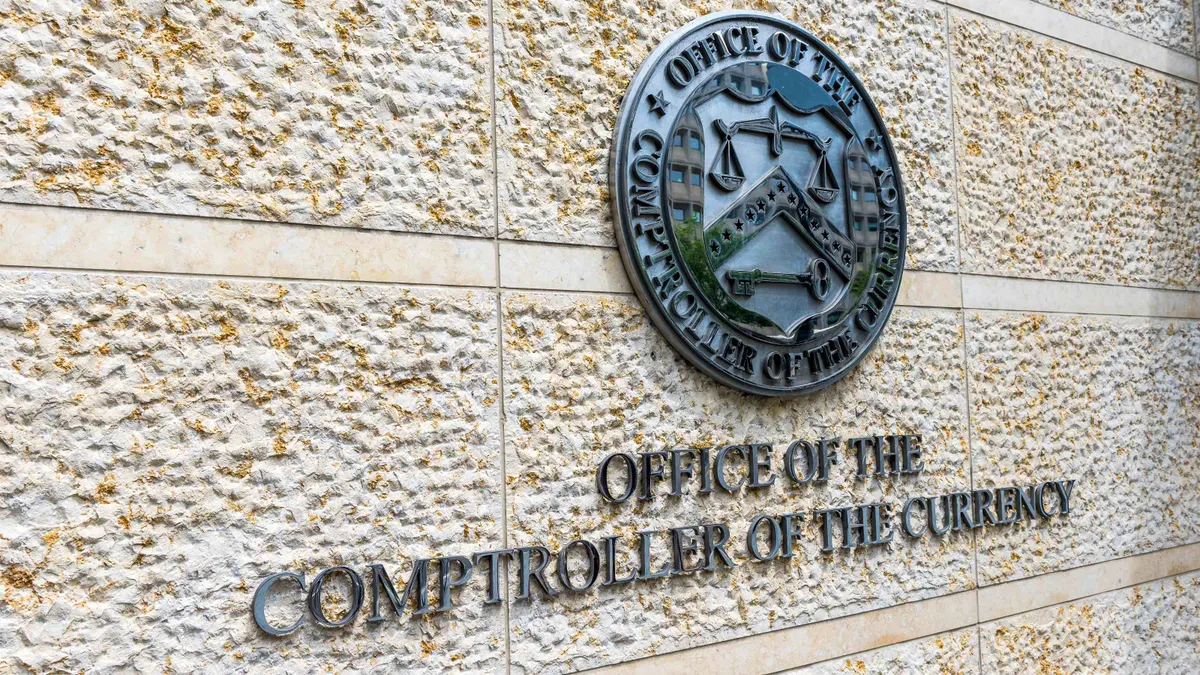
Another benefit of acquiring Payoneer is the company’s global regulatory footprint. Payoneer holds state money-transmitter licenses in the United States; a European Union e-money authorization out of Ireland; an e-money license from the Financial Conduct Authority in the United Kingdom; and government approvals across Hong Kong, Japan, Australia, and India, according to the research note. In February, it filed with the Office of the Comptroller of the Currency to establish an uninsured national trust bank to anchor a stablecoin strategy.
Developing such an extensive regulatory infrastructure takes years and a substantial financial investment. “Payoneer brings a global regulatory structure that can extend connectivity and licensing [for Nuvei] in dozens of countries and that is critically important for distribution in an end-to-end payments network,” Palmer said.
Payoneer also has a profitable operation to offer, with significant revenue from SMBs. The company’s first-quarter overall revenue climbed 6%, year-over-year, to $261.6 million, while revenue from small and medium businesses totaled $189 million, a 12% increase from a year earlier.