
Why “faster cash flow” sells embedded payments to US SMBs
A new Adyen and Visa report surveyed 500 US SMBs on why they adopt embedded payments and what they need next.
65% of US SMBs take payments inside the software they already use to run their business. Of the third that don't, nearly one in three say they're considering it within the next year.
For SaaS platforms, the opportunity is twofold: win new adoption and deepen existing relationships.
Both come down to the same thing: knowing what SMBs want payments to do for them.
To find out, Adyen and Visa surveyed 500 US SMBs between January and March 2026. Here are four key learnings:
1. SMBs want faster cash flow
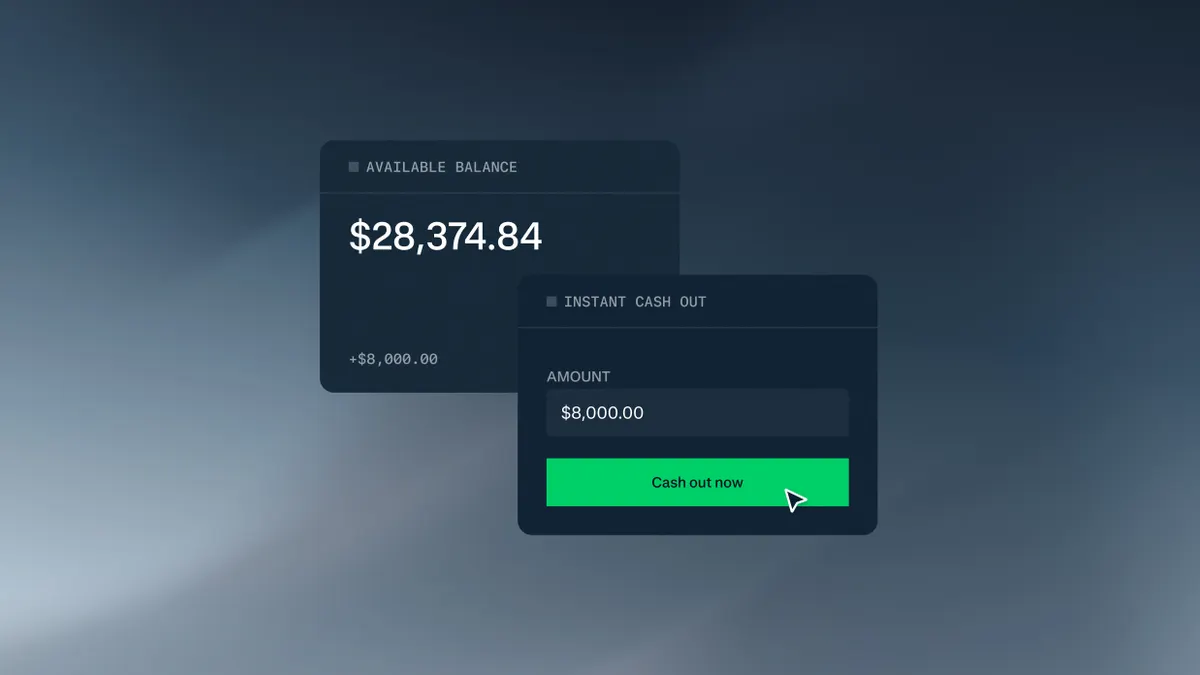
55% of US SMBs said they adopted embedded payments to get paid faster.
It reflects the operating environment facing many SMBs today. Rising costs, tighter margins and financial uncertainty mean faster payouts can have a direct impact on business performance.
For SaaS platforms, this is where to start the conversation. Leading with “faster cash flow” will resonate more strongly than technical features alone.
2. SMBs understand the time saved, not the revenue gained
For SMBs who already use embedded payments, they focus primarily on operational wins. Or, what they’re more likely to notice in their day-to-day:
- 88% say they get paid faster and more reliably
- 88% say checkouts improved for their customers
- 86% say they spend less time on admin
Ask about growth, however and it goes quieter. Few connect embedded payments to more revenue.
It suggests that adoption is often driven by solving an immediate challenge — billing, reconciliation and reporting — rather than a clear awareness of embedded payments as a category.
That nuance matters. For SaaS platforms, the fix is to show that saving time is only half the story. A better checkout experience, for example, means fewer lost sales and more completed transactions.
3. SMBs who haven't switched think what they've got is fine
For the SMBs, who aren’t considering embedded payments, 51% say their current payment setup “works well”.
Traditional or legacy setups were chosen years ago, and as far as they’re concerned, they’re fine.
To win with these SMBs, software platforms need to build a compelling case for making the switch: better cash flow, less manual work and a more connected checkout experience.
Of those who are considering embedding payments, their hesitations are more specific:
- 30% want to keep payments separate, for control or simplicity
- 26% assume it will cost them more
- 25% aren't confident the payment methods they need are covered
Platforms can answer each of these with proof points: how much admin time is saved with an integrated setup, what those hours are worth against the fees and the range of payment methods that are covered.
4. When SMBs need a loan, they don't ask their software platform
Banks remain the main source of borrowing for US SMBs.
According to the survey, 42% borrow from a bank, while 16% borrow from the platform they already run their business on.
Yet the qualities SMBs value most — a simple application, competitive rates and fast approval — are areas where platform-based financing can offer a compelling alternative.
But trust remains critical.
Financial products require a deeper relationship than payments alone, so platforms need to establish value through the everyday experiences SMBs rely on, like getting paid on time, before extending into broader financial services.
Adoption is growing, but earning trust is key
The US market is past the point of persuasion.
SMBs aren't waiting to be convinced that embedded payments work. They're deciding which platform is worth trusting with more of their business.