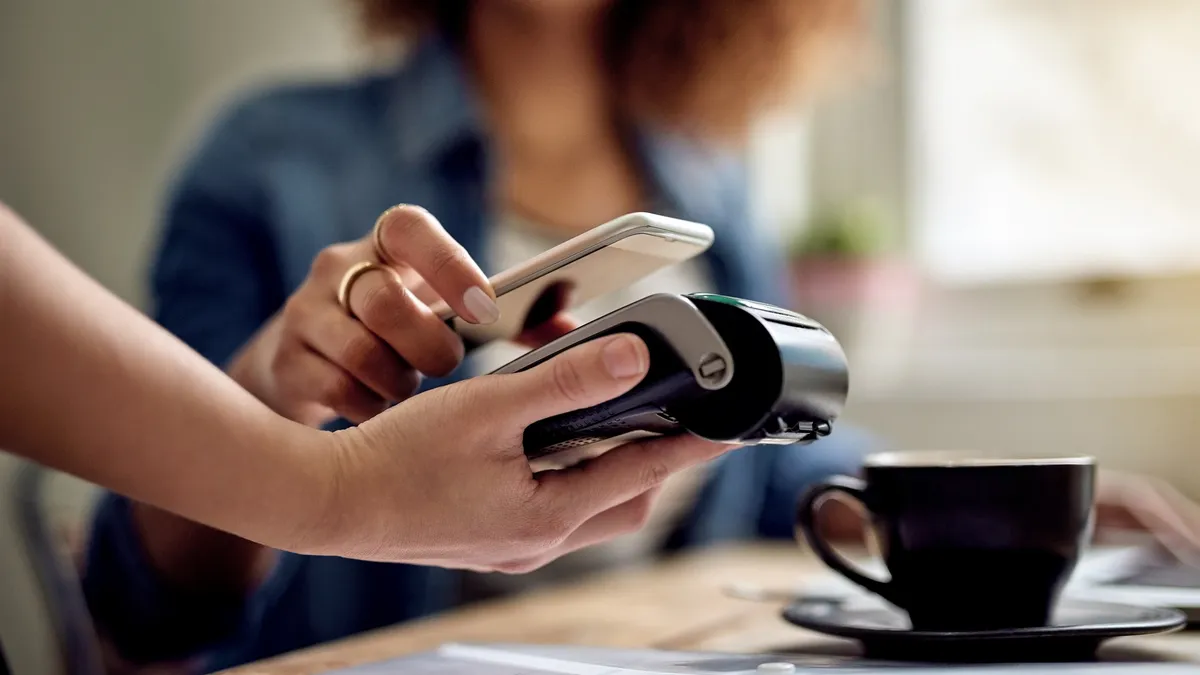

Consumers manage their entire financial lives from their phones. They tap-to-pay at points of sale, split dinner bills with a mobile app and reload their digital wallets without a second thought. But when it’s time for a business to pay them — a refund, a rebate, an insurance payout, an incentive — the mismatch is jarring: many of those payouts still arrive via legacy methods that don’t meet consumers’ expectations.
According to a 2026 study from Onbe and National Research Group (NRG), 89% of consumers say they prefer digital payment methods when receiving a payout — a figure that's climbed for three consecutive years. The contrast is clear: B2C (business-to-consumer) payouts simply haven't kept pace with the way consumers pay. That gap continues to be an opportunity for businesses to turn a routine transaction into a moment of trust and loyalty.
The moment that makes or breaks trust and loyalty
Payouts often happen at meaningful moments in the customer journey: after a billing correction, claim, incentive or refund. Sometimes they help resolve a frustrating interaction; other times, they deliver on a promised reward or benefit. In either case, the payout experience shapes how customers feel about the business behind it. These are exactly the moments when a business either earns a customer’s confidence or loses it. A slow, check-based payout can create unnecessary friction at a moment when a business should be reinforcing trust; in fact, 49% of check recipients report some form of inconvenience, from long wait times to deposit hassles.
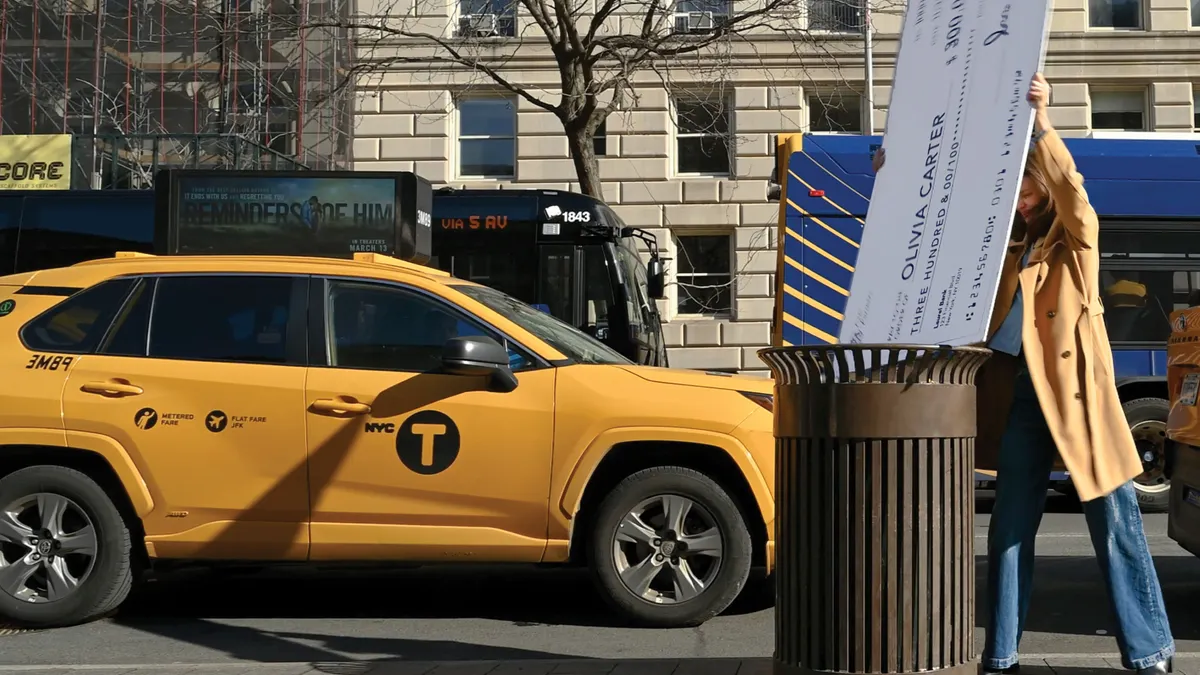
Checks remain the third most common payout method, yet rank sixth in consumer preference, according to Onbe and NRG’s 2026 Payouts Landscape Report. Many businesses default to issuing checks because the legacy process is already built into their back-office systems, but for a consumer who manages their finances through a mobile app, receiving a check is a step backward. It arrives by mail with little to no communication, requires effort to deposit and time to clear the funds — a clunky, time-consuming experience in today’s digital-first world.
Younger consumers are resetting the baseline for payout speed and choice
Gen Z and Millennials have grown up moving money instantly through payment apps and mobile wallets. For them, fast, flexible payouts aren’t innovative experiences — they're the standard. Speed is no longer a premium feature to this cohort: 33% of Gen Z consumers now expect to receive a payout the same day and 92% of Millennials say they'd definitely pay a fee for faster access to their funds. Choice follows the same logic: payment apps, digital wallets and virtual prepaid cards each have a place in how consumers manage their money, so the ability to choose a payout method has shifted from nice-to-have to a baseline expectation. As the economic influence of younger consumers continues to grow, their expectations for fast, digital payment options will reset what the market considers status quo.
Closing the gap doesn’t mean building from the ground up
For B2C businesses still running payouts on legacy rails, the question isn't whether to modernize, it's how fast the gap becomes visible to the customers they're trying to retain. Onbe helps businesses close the payout gap through a single point of integration, offloading the cost, complexity and risk of running disbursements in-house, with fraud controls, compliance and program management included.
But the case for modernizing is not just operational — it’s about what the payout moment communicates to a consumer. A fast, flexible payout experience tells the consumer that the business values the relationship, not just the transaction.
To see the full data behind these trends, download Onbe & NRG's 2026 Payouts Landscape Report.