Dive Brief:
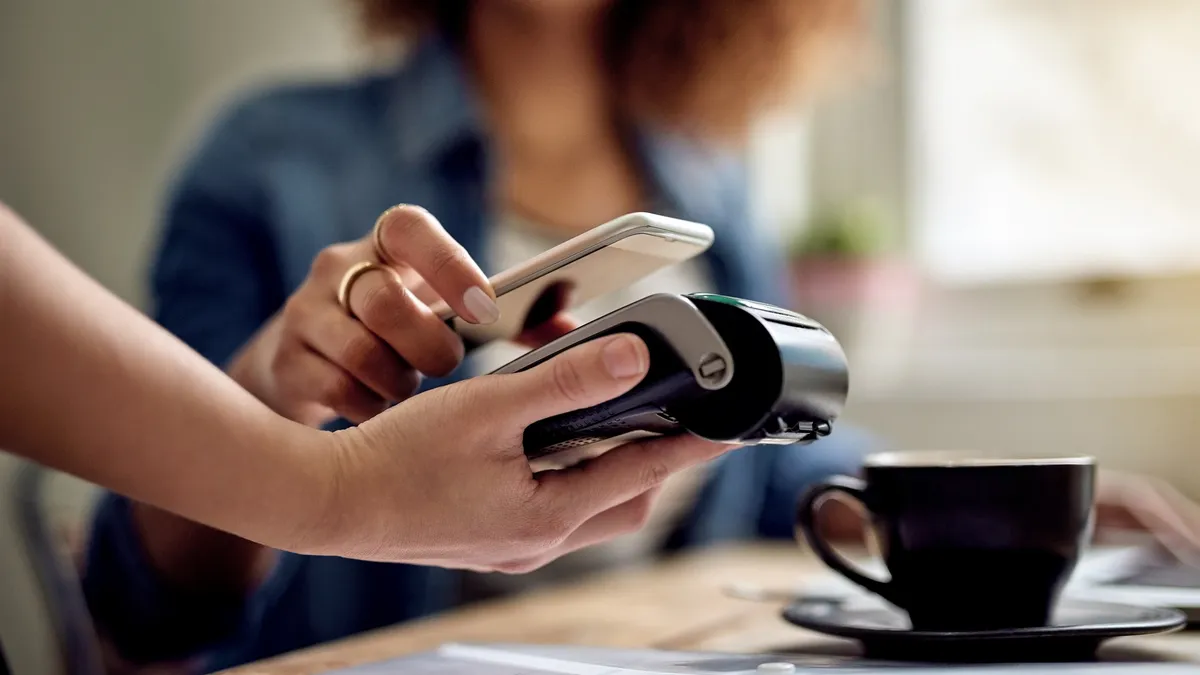
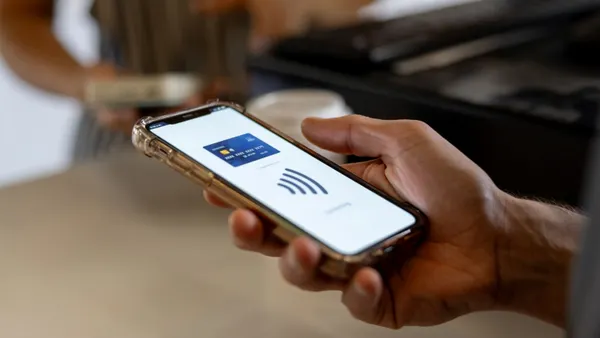
- Digital wallet use is expected to climb in the U.S. for both e-commerce transactions as well as in-store purchases, with online consumers expected to use that payment method 44% of the time by 2030 and in-store buyers expected to use it 26%, according to Worldpay’s 11th annual Global Payments Report.
- The world is already ahead of that predicted U.S. digital wallet use. Globally, digital wallet payments last year accounted for 56% of e-commerce purchases, more than credit cards (20%), debit cards (10%), account-to-account transactions (7%) and buy now, pay later purchases (4%). Digital wallets were also the dominant payment method for in-store purchases worldwide, followed by credit cards (24%), debit cards (22%) and cash (14%), according to the report from the payments processor.
- In the U.S., digital wallets were used in 40% of e-commerce transactions, surpassing other online payment methods, including credit cards (32%), debit cards (16%), and buy now, pay later (6%). But credit cards were still used most often in stores, with 40% use at point-of-sale terminals, followed by debit cards (28%), digital wallets (17%) and cash (10%), per the report.
Dive Insight:
The Worldpay report forecasts a decline in the share of credit card payments at U.S. brick-and-mortar stores as digital wallets gain popularity. By 2030, the report forecasts that the share of U.S. credit card payments in stores will decline to 36% and debit cards will slide to 25% as digital wallet use rises.
Younger consumers in the U.S., specifically Gen Z, are driving much of the shift to digital payments toward mobile payments, with that form of payment being the most used already for online purchases by 18–24-year-olds (39%) and by 25–34-year-olds (41%), according to a March 31 press release that accompanied the report.
The report also forecasts a rise in payment app-based purchases in the coming years. Globally, payment app transaction value rose to $10.6 trillion last year, from $9.3 trillion in 2024, according to the report. The report predicts that the value of payment app transactions will reach $15.6 trillion in 2030.
“The future belongs to businesses that understand how their customers want to pay,” Bob Cortopassi, president and chief operating officer of Global Payments, Worldpay’s owner, said in a press release. “As expectations shift toward choice and flexibility, merchants must evolve their payment systems to serve every demographic – and those that do will unlock the next wave of growth.”
As for payment methods within digital wallets, cards remain the primary payment method, followed by buy now pay later, account-to-account and cryptocurrencies, per the report.
Digital wallets are combating fraud risks and facing regulatory scrutiny. An analysis by research organization Consumer Reports found that wallets from Block and PayPal Holdings provide better fraud monitoring and liability protection compared to Google and Apple’s mobile wallets.
The digital wallet market — dominated in the U.S. by PayPal and Block’s CashApp — has had to navigate a patchwork of state and federal regulations.
While the Consumer Financial Protection Bureau finalized digital app payment rules in 2024, which would have brought non-bank digital payment and wallet companies under the CFPB’s supervision, Congress repealed the rule last year. President Donald Trump signed the measure.