Stripe’s tender offer on Tuesday to purchase the shares of current and past employees values the payment processing behemoth at $159 billion.
The company said in a press release that most of the funds for the offer are from venture capital firms Thrive Capital, Coatue, a16z and others. Stripe is also purchasing some of the shares. The sale allows Stripe employees and its former employees who own shares an opportunity to cash out some of their holdings.
Moreover, the tender signals that the company — which is placing major bets on the growth of agentic commerce and stablecoins — isn’t ready to go public yet, according to consultants and investors who follow Stripe.
A tender offer acts like something of a pressure valve, they said in interviews before the company’s announcement Tuesday. Early investors and employees are seeking liquidity from their shares, and the best way to provide that is to let them sell. A tender offer lets Stripe — which has dual headquarters in Dublin, Ireland, and South San Francisco, California — relieve some of that pressure by giving employees and investors a payday.
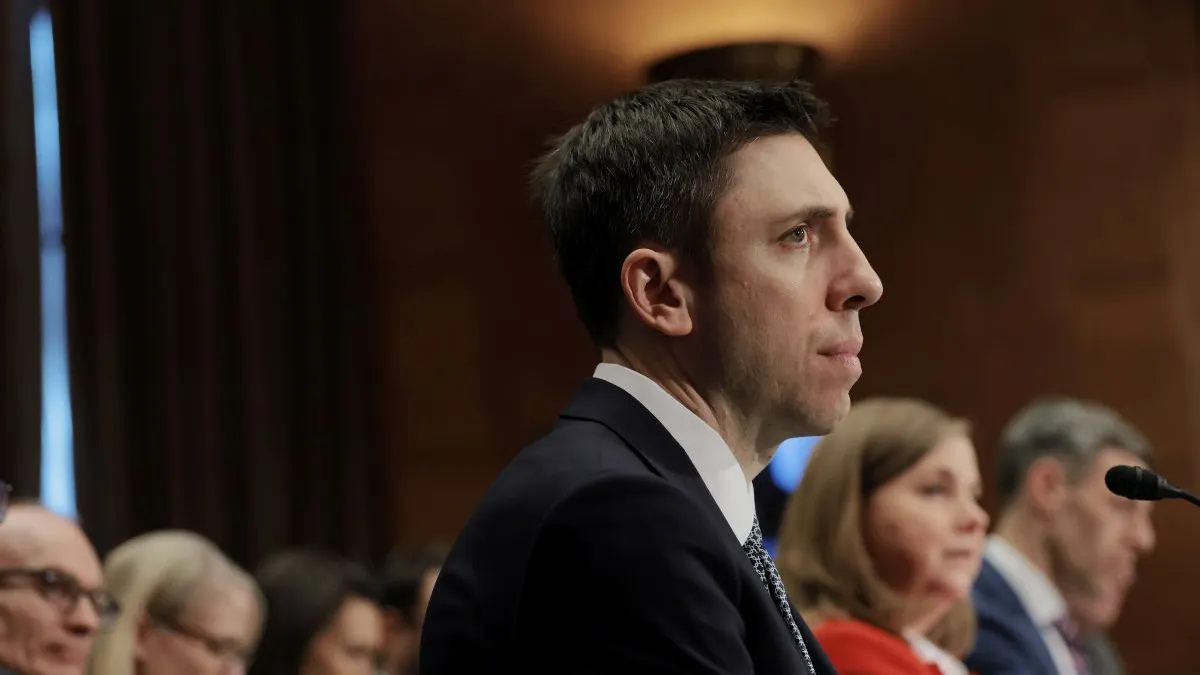
“Whatever pressure may be building for an IPO, these tender offers are 100% a pressure relief valve for that," said Amias Gerety, a partner with the venture capital firm QED Investors, based in Alexandria, Virginia. "There are many good reasons to be a public company. One of the good reasons is to provide liquidity to early investors and to employees, and this takes that particular reason off the table.”
Steve Klebe, who was Stripe’s head of enterprise payments performance until 2022 and is now a freelance consultant and Stripe investor, still thinks the company will go public eventually. “I just don't think it will happen this year,” he said.
Spokespeople for Stripe did not respond to a request for comment on the company’s plans for a public offering.
Axios first reported on Feb. 9 that Stripe is considering a tender offer valuing the firm at $140 billion, higher than the $91.5 billion valuation the company used when it last offered to buy employee shares in February 2025.
"When you make a tender offer, you are offering to buy anybody's shares at a set price," Gerety explained. A tender offer signals to investors that they will have the chance to make money off their investments, he said.
Stripe remains “robustly profitable,” Stripe founders Patrick and John Collison wrote Tuesday in their annual letter, with Stripe’s total volume rising 34% last year to $1.9 trillion from 2024. The Collisons did not offer any specific revenue or income data in their letter. Patrick Collison serves as Stripe CEO and John is president.
“They’re probably at a point where they genuinely don't need to go public,” Klebe said.
In some ways, however, Stripe already acts like a publicly traded company. The payment processor regularly releases some of its financial results, for example, which a private company is under no obligation to do.
The Collison brothers have a habit of responding ambiguously to questions about prospects for an initial public offering.
CNBC reported in January 2023 that the founders had told employees the company would go public within the next year, although that deadline came and went with no hint of an IPO. A year later, John Collison told Fortune magazine that there was “no news to share” on going public.
“Presumably at some stage,” Patrick Collison replied when a podcast host asked him in September 2024 about the possibility of an IPO.
Nevertheless, the founders are no doubt feeling pressure to deliver some sizable investment returns for their early investors, Klebe said. But “if they're now able to do these tender offers and give early employees, and early investors, a way to get some of their shares off the table, that takes a lot of pressure off them," he said.
There are also downsides to an IPO that Stripe might be trying to avoid for the time being, said Nik Milanovic, a partner at The Fintech Fund, a New York-based venture capital fund that focuses on early-stage fintech startups.
Being a public company comes with “disclosure and compliance requirements, quarterly performance pressures, and activist shareholder risks of public markets,” Milanovic said in an email.