Dive Brief:
- Pay With Spire, a pay-by-bank provider offering merchants lower payments costs, on Thursday announced it has hired a former Fiserv executive, Jennifer LaClair, as its new chief executive.
- LaClair, who was Fiserv’s head of merchant solutions until December, said in an interview Wednesday that Spire sits “at an inflection point” in its growth as merchants adopt real-time ACH payments directly from customers’ bank accounts.
- The Dallas-based payments company also said Thursday that it had raised a new $10 million from investors, led by Continental Investment Partners, for a total of $27.5 million to date.
Dive Insight:
In addition, Matt Brennan, a former Apple executive, stepped down from the CEO role at Spire, which he joined in September 2024. He is now Spire’s president and chief commercial officer, according to a Thursday press release from the company.
Continental has previously funded other payment fintechs, including Chicago-based Aeropay, another pay-by-bank startup, and Sezzle, the buy now pay later company.
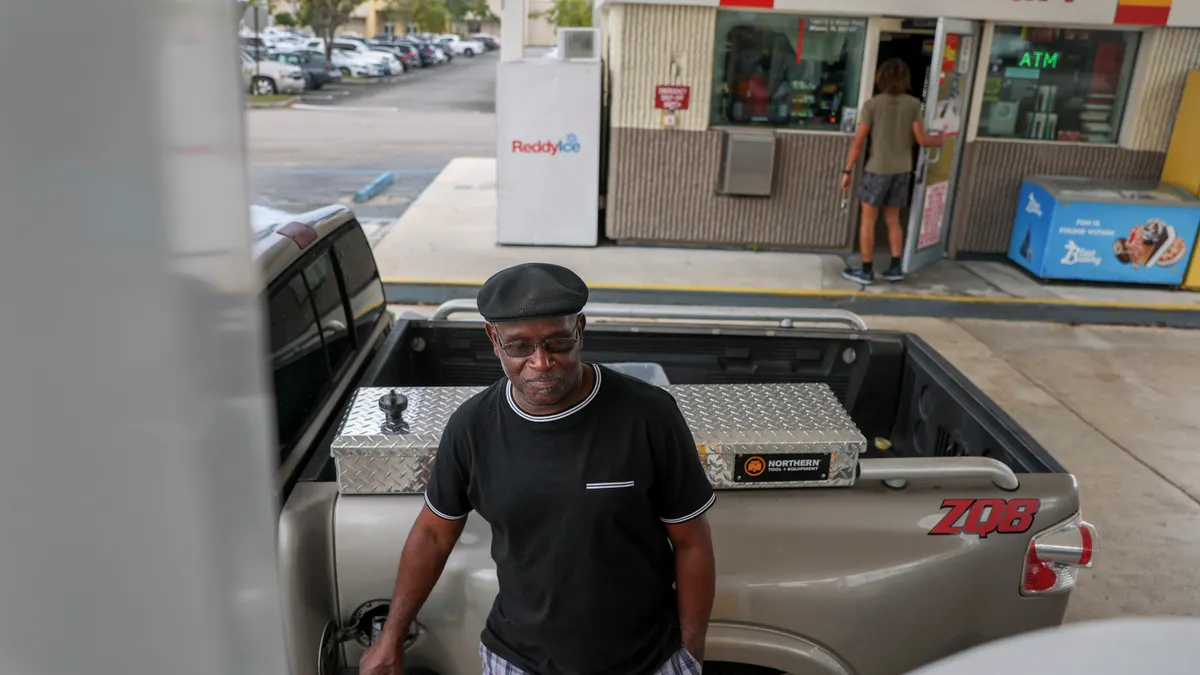
Spire focuses on routine, frequent daily purchases such as those at gas stations, convenience stores and specialty coffee shops. The company has 46 employees.
“Pay-by-bank is really just getting started,” said LaClair, also a former chief financial officer at Ally Bank. “It’s been around for a while, but I think what's missing is that really compelling consumer experience. It’s easy to plug into the merchants, but harder to drive the adoption.”
Spire issues physical and virtual cards that merchants can brand, with transactions running on Discover Financial’s network, now owned by Capital One Financial. Spire says it’s the only pay-by-bank provider to operate on credit card rails and works on about 200,000 terminals without needing integration into point-of-sale equipment.
The company pays Discover per transaction and doesn’t incur traditional interchange costs as part of its agreement with the card network.
Spire arose from the remains of Merchant Customer Exchange, a company Walmart, Best Buy and other large merchants formed in 2012 to develop a mobile payment system. Retailers have long sought to develop alternatives to credit and debit cards to avoid interchange fees they pay when a consumer swipes a card.
In 2024, Walmart announced a partnership with Fiserv to offer a pay-by-bank option for online purchases. A Walmart spokesperson did not respond to a query Wednesday about the status of its real-time payment effort.
Account-to-account payments can be made with a physical card or through a mobile wallet or a merchant’s app. Unlike a debit-card transaction, pay-by-bank requires a user to link their bank account to a Spire card to make direct payments. About one million people have linked their accounts, Spire said.
The consumer’s incentive to sign up with Spire for a branded merchant card is typically a reward in the form of discounts, points or some other loyalty recognition, while the merchant gains a less-costly payment model.
Spire says pay-by-bank helps merchants drive loyalty by allowing them to use savings from their lower-cost transactions to fund customer discounts and rewards.
“The goal is really to create this virtuous cycle around lower cost of payments that creates a reinvestment opportunity into rewards and loyalty,” said LaClair, who is also a director at appliance-maker Whirlpool. “What we’ve seen with our clients who have done a nice job with incentives and loyalty is that they get higher recurring customers, they get higher basket sizes over time.”
She said the largest obstacle to consumer adoption is the “novelty” of pay-by-bank for Americans unfamiliar with it.
“It’s just new and consumers get very addicted to what they did yesterday, and so we just have to break through that barrier by creating the right economics for the merchant and the right incentives for the consumer,” she said.