Robinhood Markets, the trading and personal finance platform, is wading into the premium payment card space as financial technology companies increasingly vie with large banks for affluent, high-spending customers.
The company’s second credit card, the $695 Robinhood Platinum Card, is aimed at younger, tech-savvy, high-net-worth people that don’t identify culturally with many of the incumbent cards, Deepak Rao, a vice president at Robinhood, said last week in an interview.
“If you’re a baby boomer, like a 60-year-old person who has Amex, that’s not what we were going for,” said Rao, who is also general manager for Robinhood’s Money unit that provides banking services.
The company, based in Menlo Park, California, introduced the new card earlier this month, two years after its first credit card, a hefty, 36-gram gold card marketed as containing real gold. That card is available to people who pay $5 per month, or $50 yearly, for the company’s gold account.
The new card is “99.9% pure platinum plating” – both for added heft and marketing utility. It counts as “annoyingly heavy,” Robinhood CEO Vlad Tenev quipped March 4 at a company event at the TWA Hotel in New York.
In its promotional materials, Robinhood also says its card is “actually platinum,” an apparent slap at American Express’ Platinum card, which has a mirrored-finish stainless steel.
Robinhood’s cards attract people who consider themselves “digital natives” and want more flexibility and ease of use than traditional premium cards from the large banks offer, Rao said in a March 10 interview. He cited OpenAI CEO Sam Altman, as a cardholder. Altman praised the company’s gold card on his X account in late 2024.
That card has about 700,000 cardholders, with around $10 billion in annual spending, the company said. Robinhood expects that figure to be “well over one million” by year’s end, Tenev said last month on the company’s quarterly earnings call with analysts.
Robinhood will draw invitees for its invitation-only platinum card from the company’s existing card base, with 15,000 invites sent this month to the highest-spending gold cardholders, Rao said.
Over time, Robinhood is likely to introduce a business card for entrepreneurs and companies, Rao said. Currently, Robinhood’s focus is on consumers.
Rao joined Robinhood in 2023 when the company acquired X1, the credit card startup he co-founded, for $95 million.
As boomers transfer wealth to their children, Robinhood sees many younger consumers who may want some of the traditional premium card perks, but from a newer generation of financial services providers, he said.
“Would they want something …. with the same amount of value or more value that they're used to with a cooler brand, a cooler card, a more culturally-relevant card? I think that's the bet.”
The high-end of the payment card market has experienced an arms race, prompting price escalation and perquisites as large banks compete for affluent, high-spending customers, luring customers with an array of amenities such as cash back, airport lounge access and dining, travel and ridesharing credits.
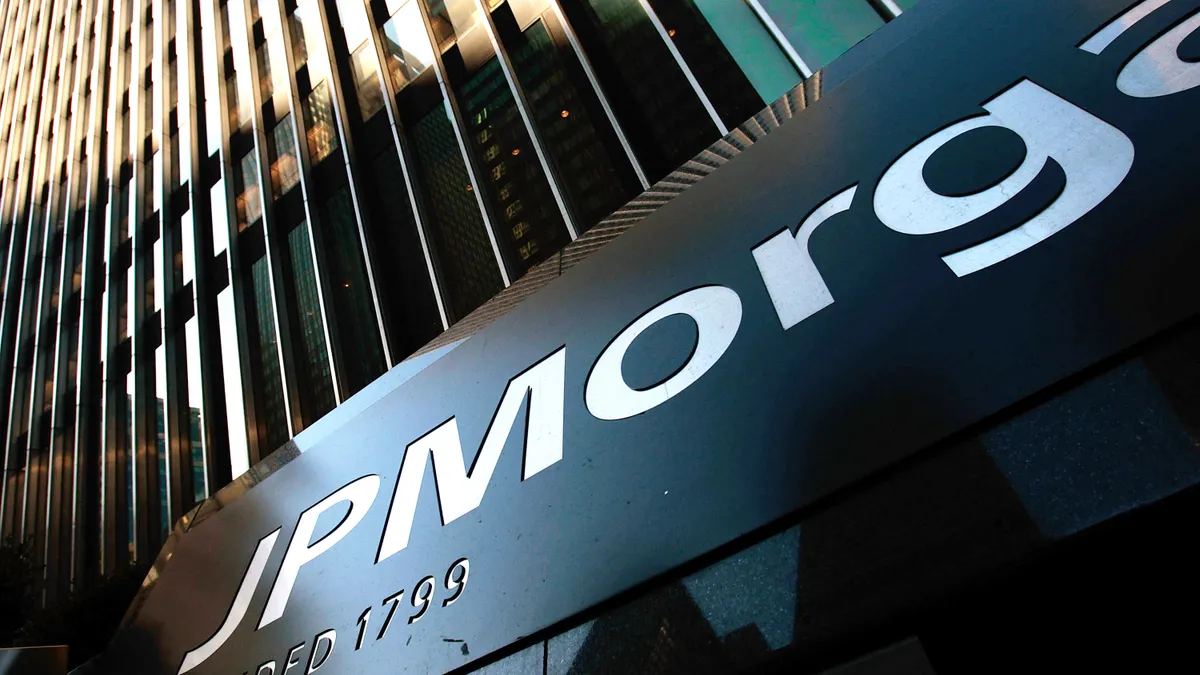
In September, Amex hiked the annual price of its Platinum card by $200, to $895, three months after JPMorgan Chase boosted its Sapphire Reserve card fee to $795. Citi’s Strata Elite card is $595. All three ladle on rebates and offers that the banks claim are worth thousands of dollars yearly if a cardholder were to use all of them.
Robinhood’s platinum card doesn’t accrue points that can be transferred for travel or lodging as with some programs. Rao said that Robinhood found in its market research that many of its target customers are affluent and prefer cash-back value from their spending more than trying to redeem a currency for awards.
“A lot of them just buy business class [tickets] already so they get the lounge,” he said. “They’re already going to go to the lounge, with or without any card.”
Robinhood’s platinum card is designed “for the affluent person, it's not for you to live like an affluent person,” Rao said.