
Pagaya Technologies sued its former partner, Klarna Group, last month for allegedly misappropriating its trade secrets related to point-of-sale loan underwriting.
The New York-based AI underwriting fintech and the buy now, pay later firm have worked together since 2022, with Pagaya assessing subprime customers for Klarna at checkout.
But Pagaya alleged that Klarna “distilled Pagaya’s core underwriting technology for POS loans and then willfully misappropriated its trade secrets” – and allegedly breached agreements.
Klarna’s objective, Pagaya asserted, was to “absorb Pagaya’s trade secrets, use them to build its own competing capabilities, and cut Pagaya out of the very business Pagaya made possible for Klarna.”
All the while, Klarna was allegedly “misrepresenting to Pagaya an intention to expand the partnership, thus causing Pagaya to invest in a venture that, unbeknownst to Pagaya, had no real future.”
What Pagaya described as a game of “gotcha” unfolded in March and April of this year, the company said in the lawsuit filed May 14.
A Klarna spokesperson colored the lawsuit much differently.
“On March 25, 2026, we notified Pagaya that we were terminating our commercial relationship, as is our contractual right,” the Klarna spokesperson said. “Pagaya has responded by filing a lawsuit, which we believe is without merit. We will defend ourselves vigorously against these false allegations and are evaluating all legal options.”
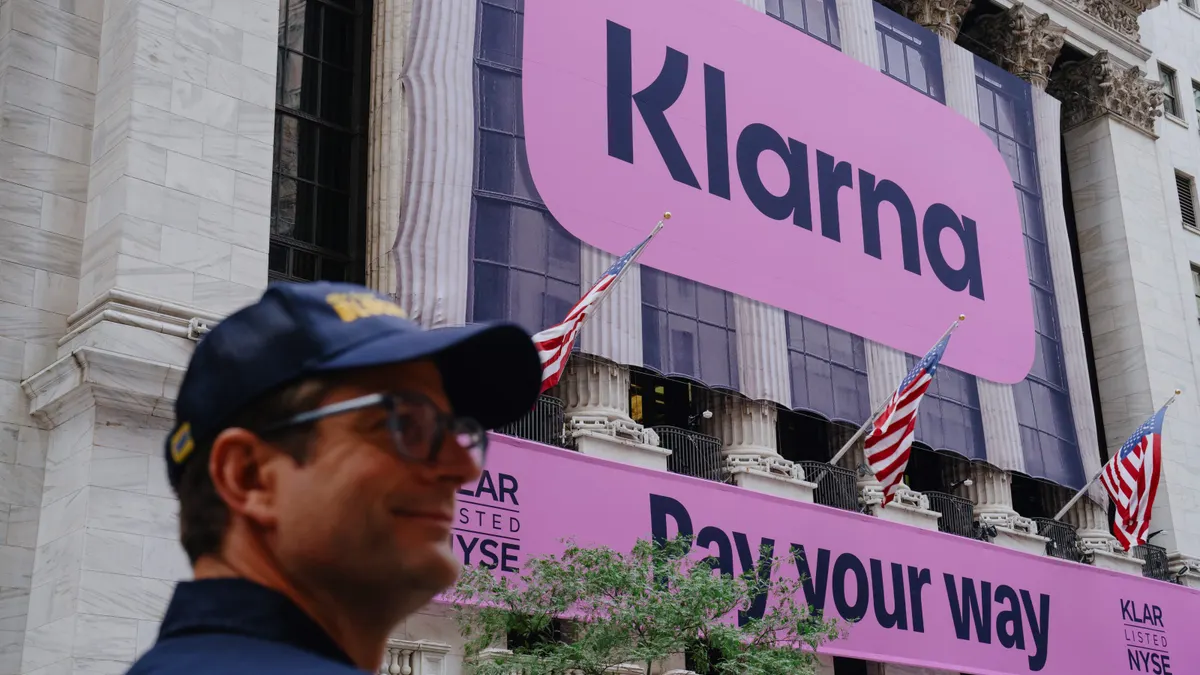
While Klarna grew up in Stockholm and still has significant operations in Sweden, it moved its executive headquarters to London when it sold shares to the public last year.
A spokesperson for Pagaya did not immediately respond to a request for comment.
The lawsuit goes on to allege that when Klarna went public last September, Klarna CEO Sebastian Siemiatkowski downplayed Pagaya’s role in its success and “claimed in a recorded interview that Klarna did not outsource its risk underwriting to Pagaya.”
Siemiatkowski “all but revealed that Klarna had used Pagaya’s trade secrets to improve its own underwriting model” on a February earnings call, Pagaya alleged. Siemiatkowski said that Klarna’s fair financing underwriting in the U.S. was built on “our proprietary underwriting systems that we’ve developed” and reflected “the knowledge we have built around risk management for the past 20 years.”
Pagaya alleged in the lawsuit that both of Siemiatkowski’s claims were false, and noted that Klarna CFO Niclas Neglén said on the same call that Klarna aimed to drive more transactions within its own rails.
Klarna was then “poised to cut Pagaya out of the subprime POS lending business Pagaya made possible,” the lawsuit alleged.