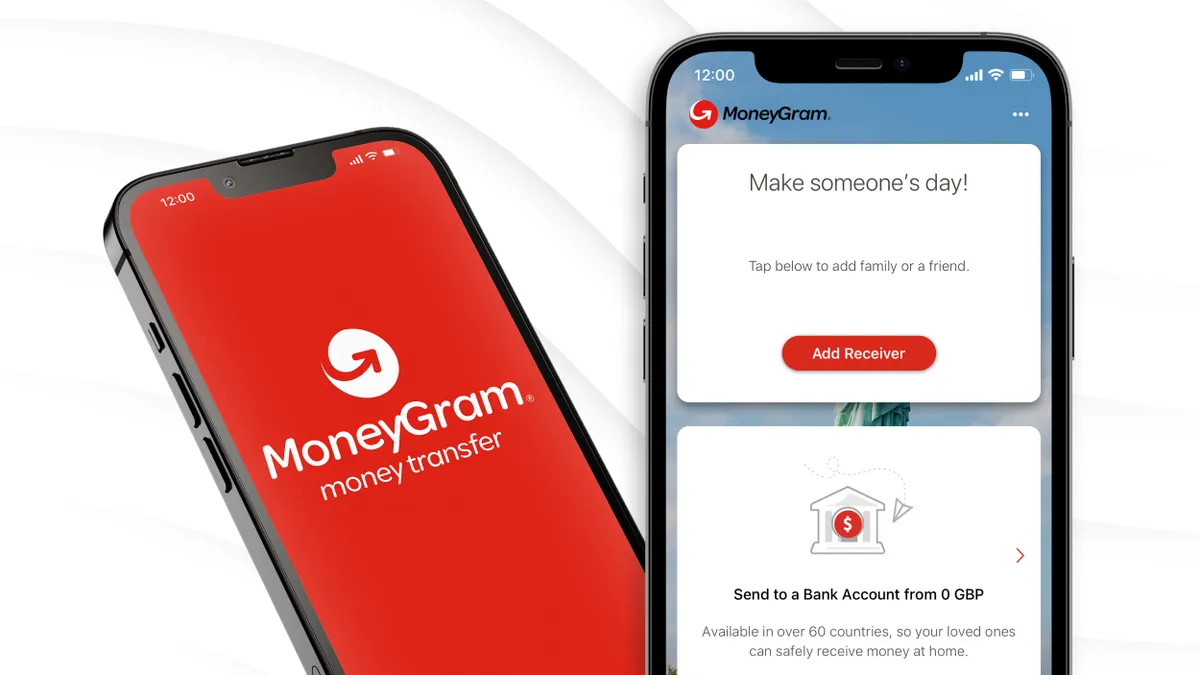
Cross-border payments company MoneyGram International is increasingly using digital tools to enable customers to send funds across borders, and blockchain technology is starting to play a role too.
MoneyGram this year began testing the use of stablecoins, which are a digital currency that rely on blockchains. So far, they’ve rolled them out in Latin America by pegging stored digital wallet funds to the U.S. dollar to help consumers avoid volatility in local currencies.
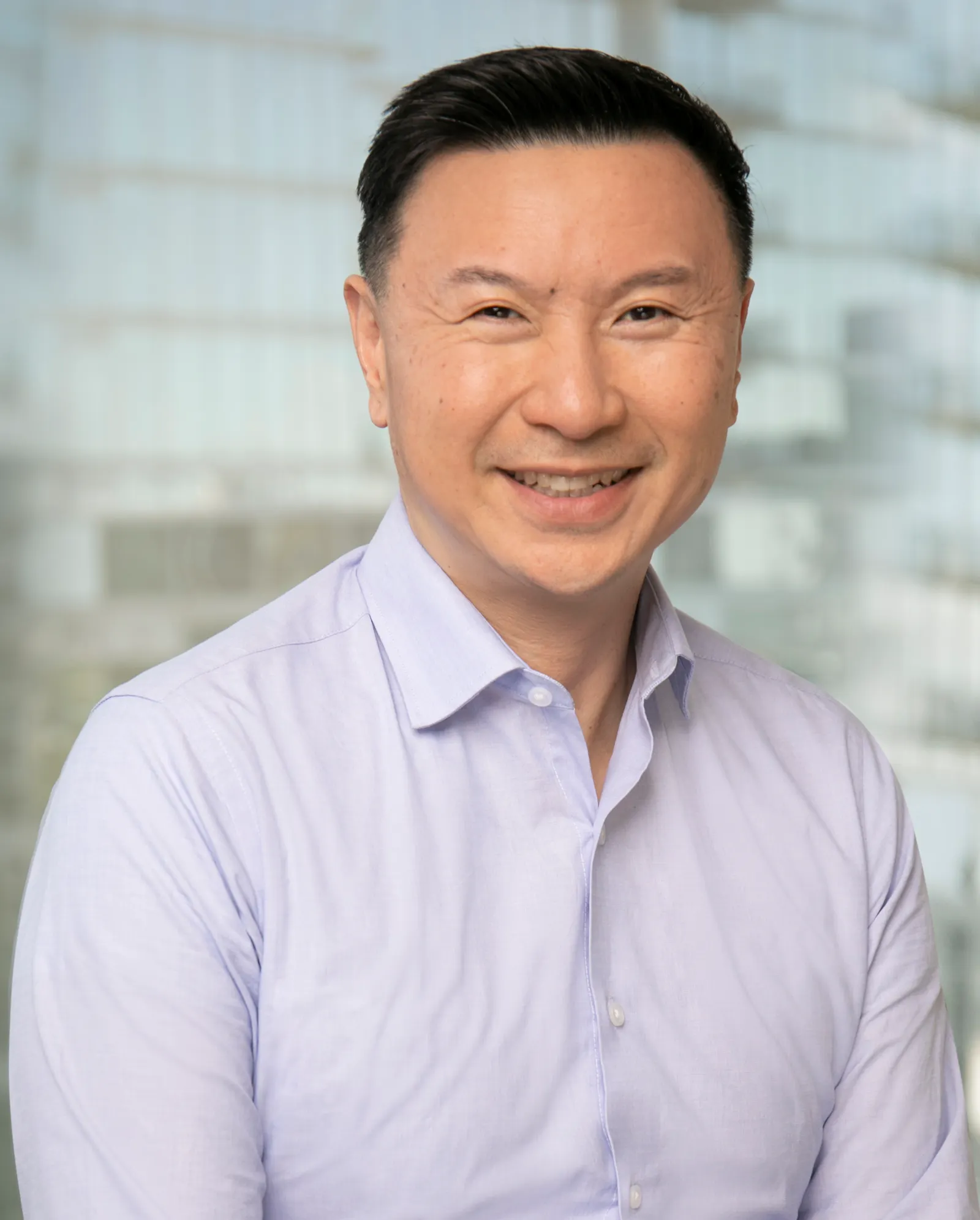
The technology works behind the scenes in the app so customers don’t necessarily know that stablecoins are involved, MoneyGram CEO Anthony Soohoo said this week in discussing the stablecoin efforts.
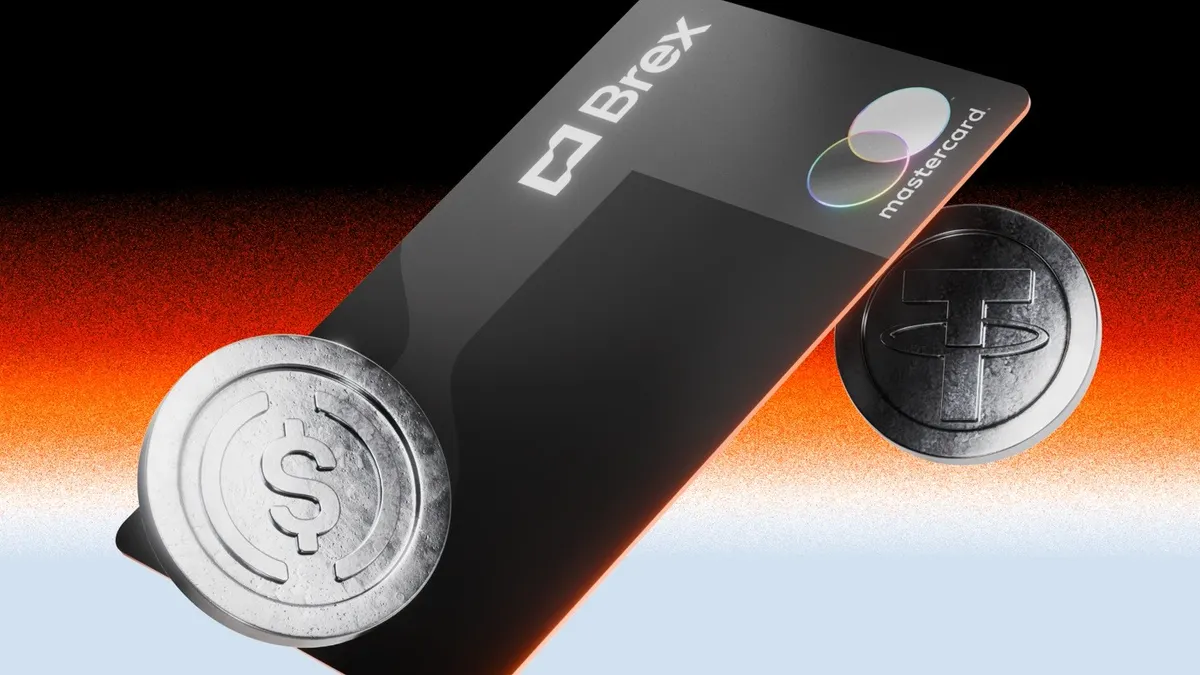
The Colombia stablecoin initiative began in September, creating an app that uses blockchain technology from Stellar, in a wallet infrastructure from Crossmint and storing customer funds in Circle Internet Group’s USDC stablecoin.
Next year, the company aims to have the functionality in six more Latin American countries, including Mexico, El Salvador, Honduras, Guatemala, Venezuela and Haiti, a spokesperson for MoneyGram said. While the stablecoin technology operates in the background, the company provides disclosures on it for users, he said by email.
Soohoo, who noted the company has been dabbling in stablecoins for five years, expects them to be a major theme in the industry next year, given enactment of the Genius Act this year. That law signed by President Donald Trump lays the groundwork for a regulatory framework.
In the Monday interview, Soohoo discussed how Dallas-based MoneyGram plans to spool up services tied to stablecoins.
Editor’s note: The following interview has been edited for clarity and brevity.
PAYMENTS DIVE: How much difference will the Genius Act and stablecoins really make across your business worldwide – is it a real revolutionary thing, or is it an incremental development that might make a difference over a decade?
ANTHONY SOOHOO: Well, I would say this: I was around when the internet first came out, and everyone for a period of time poo-pooed it, and said ‘it’s a toy – what can people do other than publish pages?’ It wasn't until you started playing it out that you could see that it led to, for instance, commerce or that it enabled payments to be done in a new way, and it cut the distance in terms of how people work. I think stablecoin is that way. And we're really right now in the first inning, probably at the first batter with the first pitch.
Why focus on the Latam markets for your first worldwide stablecoin efforts?
The reason we focused on the Latam market is because it is an area where we have a lot of physical locations, so if the customer has any issues there are people there to help them. That's the power of the omnichannel strategy. And then the second reason we focus there is because there are countries there that have more volatile economies.
If I live in one of those seven countries, can I pull up my MoneyGram app and send a payment in a stablecoin version?
From a consumer perspective, in these countries, you would receive your funds in currency that’s pegged to U.S. dollars. To the consumer, we don't say it's stablecoin. We just say it's pegged. Depending on what the market is, what we try to tell them is, your currency, what they're receiving is pegged to U.S. dollars, and it's held in a partnership with Circle’s USDC.
How does that benefit the customer?
It's going to save the customer money if they are in a very volatile state, because when they're ready to convert out of those funds in their stored value app, the funds will be pegged to U.S. dollars, and if their currency is going the wrong way, it's pegged to that dollar. So, if they hold it for seven days, and there’s been movement, they have more stored value as a result.
When will people in the U.S. be able to tap those services?
We don’t comment on new products that we haven’t launched yet. You want to get the product right before you bring it back to the States.