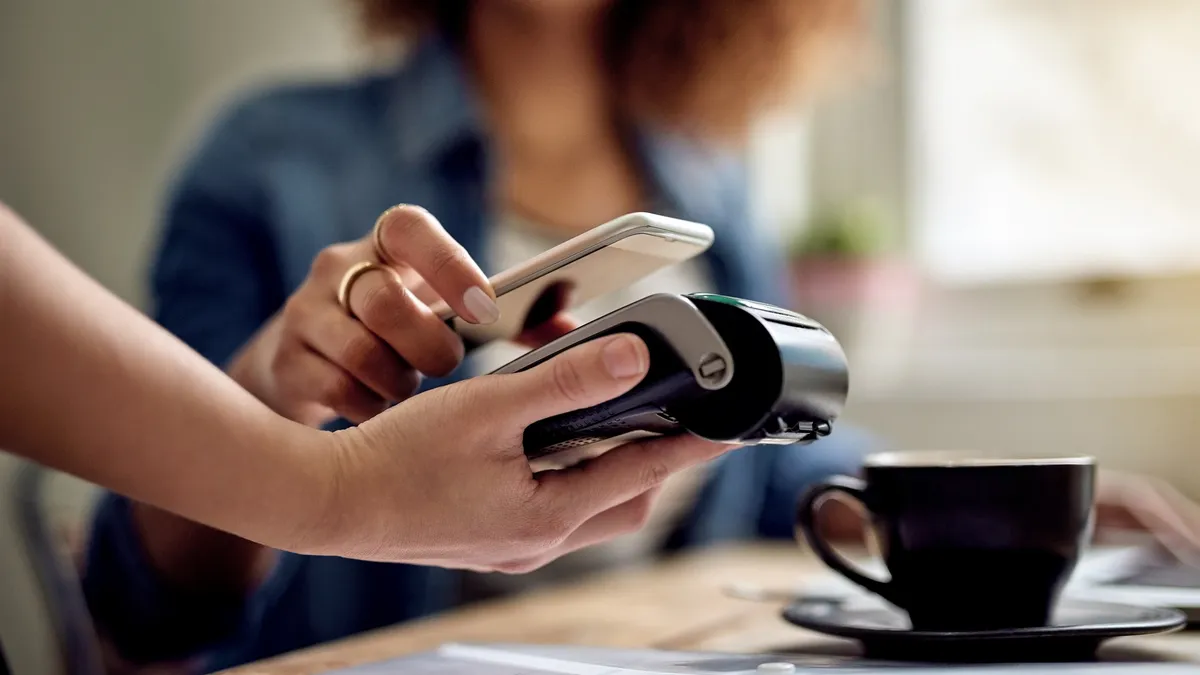
The rise of payment personalization, fueled in part by advances in artificial intelligence, could have profound implications for the payments industry.
AI can quickly leverage the data used to make shopping recommendations to also recommend methods of payment, or even make a purchase on behalf of a shopper, thereby smoothing the checkout process.
"Personalization will only grow faster with agentic payments, because the agent will have the ability to decide what will be the best payment type for the purchase," said Richard Crone, CEO of Crone Consulting. "They can steer the consumer to the lowest cost option."
E-commerce platforms such as Amazon have long suggested items for shoppers based on their history on the site. Rapid advances in artificial intelligence that can seamlessly analyze shopping data now make it possible to also peruse what payment methods those shoppers have used and nudge them toward the same payment method,a similar one or a different one.
In less than an instant, a shopping agent like Microsoft Copilot can scrutinize the reward points on a shopper’s credit card, check coupons and discounts, and ensure that a shopper has enough money to cover a purchase.
Artificial intelligence "can interrogate all of those options in nanoseconds and select the best payment account, based on their history and budgetary requirements," Crone said.
This means that payment players will be forced to jockey for position in the suggested payment options presented to consumers in the same way merchants battle for position in search results and product recommendations.
Payments players can leverage their data to know “who I am and how I purchased in the past, or even how they want me to behave in the future,” said Tevia Segovia, a partner at the consulting firm Bain & Company who focuses on financial services.
Leveraging consumer data
“Personalization” is the buzzword industry insiders use to describe this phenomenon. Tech titans like Google have long leveraged the data they keep on users to push them toward purchasing certain products, either through personalized ads or personalized search results.
“It’s personalizing the entire shopping experience,” said Deepak Jain, CEO of Wink, a biometric payment company that collects consumers’ identity and shopping history. “It goes beyond the payment method. You can pull in some coupons, pull in some loyalty points, pull in some offers, all based on the profile of the individual.”
And as artificial intelligence continues to advance, “knowing the customer at the point of checkout is going to be really important,” Segovia said.
She stressed that personalization is different from “know your customer,” which is a process for identifying shoppers to prevent fraud.
“It’s about understanding, who is Tevia? What has she bought in the past? And what loyalty programs does she have?” she said.
Personalization can even mean digging into the granular details of a customer’s shopping history, such as knowing if they have a rewards card they haven’t activated yet.
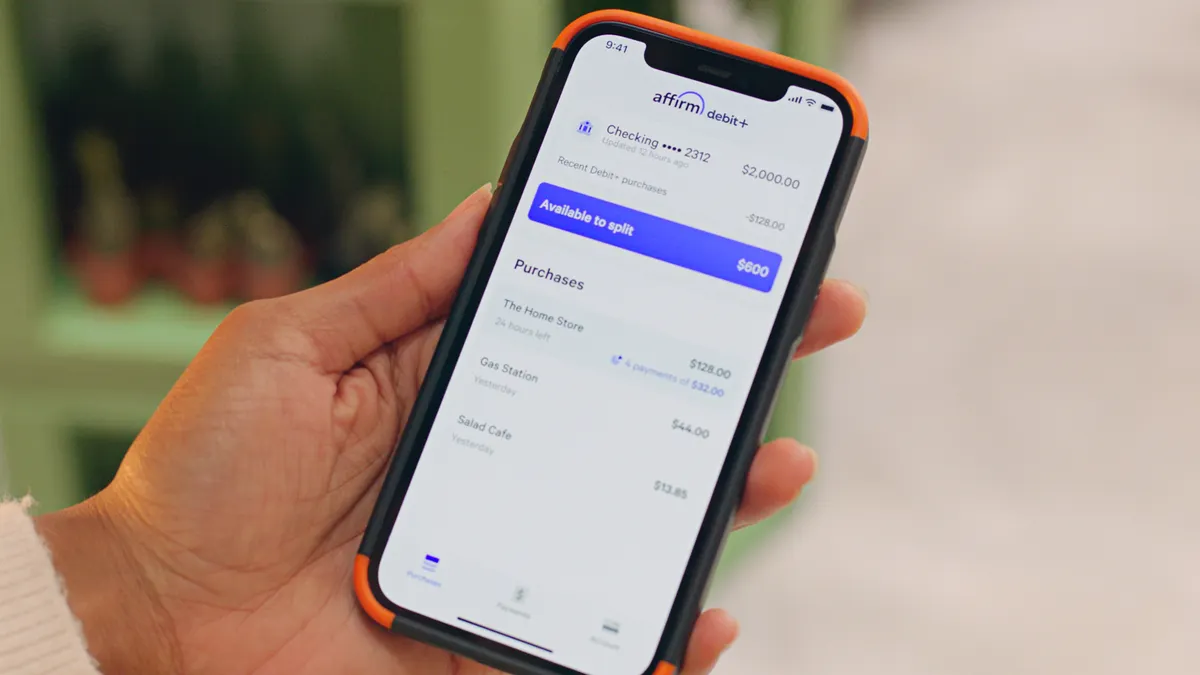
A shopper who has leaned toward buy now, pay later for recent transactions could see a recommendation for a longer term loan if they buy a bigger-ticket item, for example. Or a recommendation to pay with cryptocurrency might appear to someone who has shown a proclivity to use digital assets.
“If I've seen you try to buy a big-ticket thing multiple times and you haven't pulled the trigger, then maybe I lead with a buy now, pay later option or some other form of credit,” Segovia said.
Increasing payment options
Personalization is barreling toward the financial services sector with the power of a freight train.
Companies that can’t find their way into those recommendations risk being left behind, according to Christopher Uriarte, a partner for the consulting firm Glenbrook Partners, who specializes in payment strategies.
While payment companies worry to some extent about personalization, the emerging trend could benefit merchants, Uriarte said. “The two key factors for merchants are generally cost and conversion,” he said.
Businesses can personalize payments to a customers’ preference, or push them toward the lowest-cost option. They could try to offer the option they believe makes the consumer most likely to complete the transaction, Uriarte said.
Merchants can also personalize payment options in creative ways, he added.
If a shopper tries to pull funds from their bank account to make a purchase “and they aren’t successful, what a savvy merchant might do in a personalization example is raise other payment types to the top and try to drive that consumer to a credit card,” Uriarte said.
The majority of consumers say they have used agentic shopping agents, which can personalize transactions, making the issue an important one for payment companies.
An August report from the management consulting firm Kearney found that 73% of U.S. consumers had used AI tools, like Perplexity or ChatGPT, for shopping, and 33% said they use those tools regularly.
The trend is catching on “like nothing ever before in the history of e-commerce or digital banking," Crone said. "It's growing at an unprecedented, exponential rate.”
A seller needs to appear near the top of a potential customer’s online search results if they have any hope of making a sale, and the same could now be said for payment companies.
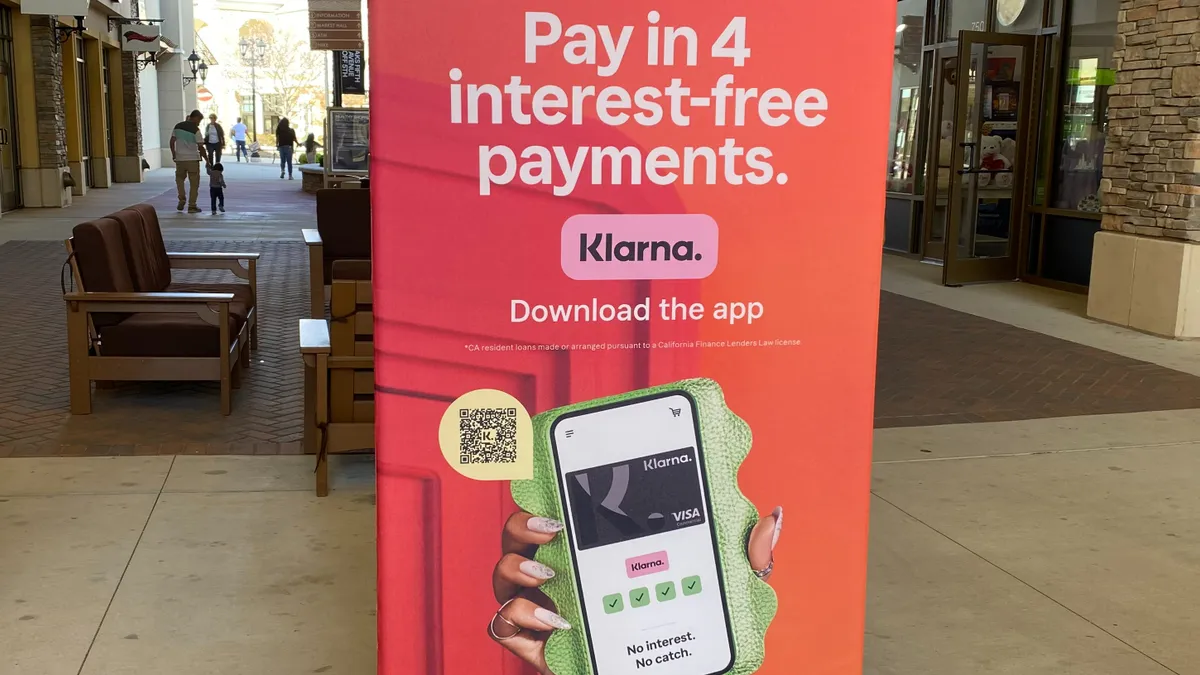
Payment players like London-based buy now, pay later company Klarna Group need to figure out “how these products are being shown to the customer at checkout?” said Erin Jaeger, head of North America for Klarna.
Personalization emerges with AI agents
Personalization and agentic commerce are rising into the shopping experience on the same tide. Agentic AI powers shopping bots that can track down products for consumers, and will eventually be able to make purchases on behalf of those consumers.
Payment executives said they are still gaming out how to make it work for them.
“We’re talking to all the major players and figuring out how buy now, pay later fits into the checkout flow,” Jaeger said in an interview.
Payment companies have deals with online merchants to prominently display their products on the checkout page, Uriarte stressed.
Credit card networks Visa and Mastercard have also introduced their own agentic shopping tools, and Crone suspects they will steer customers towards the payment method that charges the highest swipe fees and therefore makes those networks the most money.
Businesses have a long history of pushing shoppers toward whatever payment method is easiest and most profitable for them, he said, noting that Target prods its customers to use the Target Red Card by offering a 5% discount. The megaretailer avoids the swipe fees charged by major credit card networks when a customer uses the company’s in-house card.
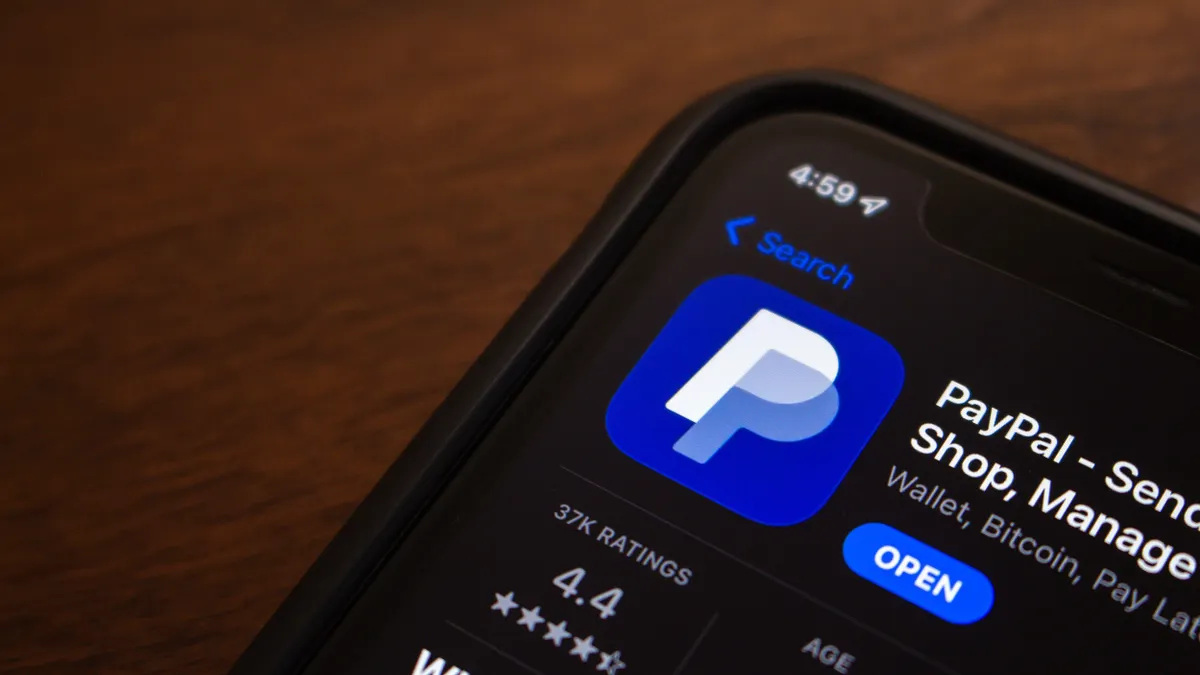
“They're going to default to their private label credit card,” Crone said of the card networks. “Or if it's PayPal’s agentic toolkit, it will default first to a prepaid balance in PayPal or Venmo.”
Payment players are working with AI companies that offer agentic shopping tools such as OpenAI and Perplexity to ensure that they are featured prominently when agents offer payment methods. For instance, PayPal and Mastercard have teamed up with Google and Klarna has partnered with OpenAI to offer an agentic shopping tool.
“We’re trying to build those relationships with the different LLMs to be able to support” our services, Jaeger said, using the acronym for ‘large language models’ that are the underlying programs supporting AI chatbots.