Dive Brief:
- Phone-based digital identification systems adopted at the state level are becoming more urgently needed with the growth of identity and payment fraud, two members of Congress said Tuesday.
- Different transactions require different levels of ID scrutiny – and privacy expectations – with anyone seeking public funds required to prove who they are, Rep. Bill Foster, an Illinois Democrat, said at a webinar on digital ID, joined by Rep. Pete Sessions, a Republican from Texas. “If you’re going to go to the taxpayer and ask for money through the government, then you have no expectation of privacy,” he said. “You better prove you are who you say you are.”
- Foster and Sessions are co-sponsoring a House bill that would give states “innovation grant programs” to create digital driver's licenses and other electronic ID documents. “Maybe after the (November) election it will become far easier” to advance the bill, Sessions said.
Dive Insight:
The webinar Tuesday was sponsored by the Alliance for Innovative Regulation and Persona Identities, a San Francisco-based identity verification software firm.
The House bill – called the Stop Identity Fraud and Identity Theft Act – would offer grants to help states modernize their identity systems and develop digital versions of existing credentials.
The grant program, which would be administered by the Treasury Department, would be voluntary for states to participate. The legislation has no Senate companion, according to Congress’ website.
“What we’re advocating for and providing funding for is not a federal ID system as much as a federated ID system, and this is something that they've done throughout the European Union,” said Foster, whose district covers western suburbs of Chicago.
Foster first introduced the legislation in 2020 and has filed versions since then, most recently as a co-sponsor this year with Sessions. “This has been a growing emergency for more than a decade,” Foster said Tuesday.
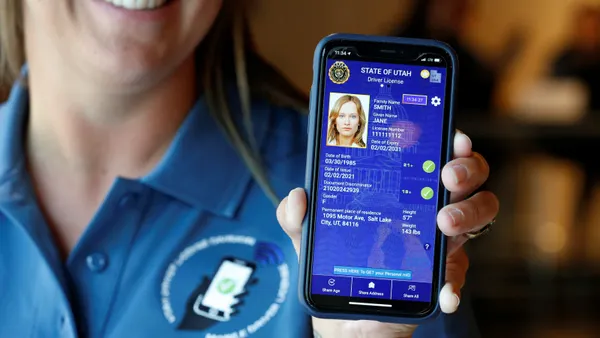
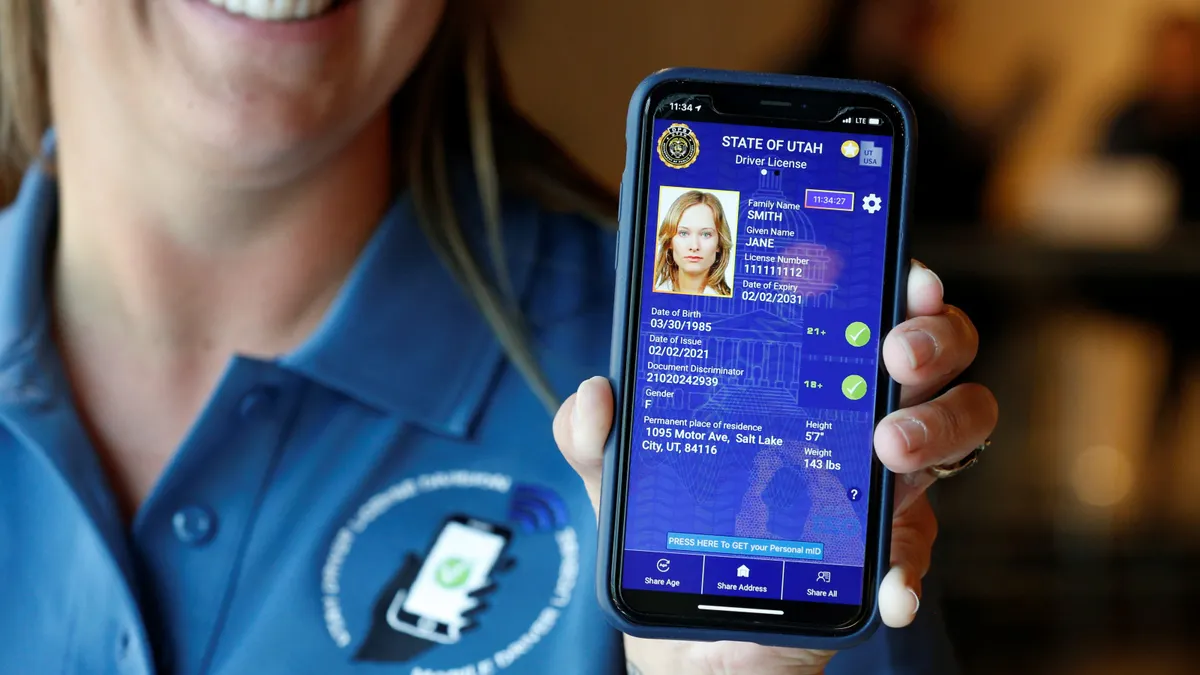
To date, 21 states and Puerto Rico have begun allowing digital IDs or mobile driver's licenses, although not every state recognizes every device, and some states require use of their own app, according to the Transportation Security Administration.
“The inadequacy of current digital identity solutions degrades security and privacy for all Americans, and as ‘deepfake’ attacks become more prevalent, next-generation solutions are needed that can protect consumers, businesses, and government agencies from identity-related cybercrime,” the bill says.
Federal programs could lose as much as $521 billion yearly to fraud, “much of it tied directly to compromised identities,” according to a February press release from Foster and Sessions.