Dive Brief:
- The Treasury Department’s Financial Crimes Enforcement Network issued an alert, calling on money transfer businesses to be vigilant in “detecting, identifying and reporting suspicious activity” related to “illegal alien” cross-border payments.
- FinCEN said the Saturday notice was part of its mission to carry out an executive order from President Donald Trump in January focused on stopping illegal immigration to the U.S.
- The latest FinCEN warning is part of Treasury’s ongoing efforts “to prevent the exploitation of the U.S. financial system by illegal aliens seeking to move illicitly obtained funds, including by moving those funds across the border,” the notice said.
Dive Insight:
Trump’s executive order in January, titled “Protecting the American people against invasion,” is in line with his administration’s efforts to crack down on illegal immigration. In keeping with that order, FinCEN said the notice was aimed at countering public safety and national security threats.
The agency cited financial activity by Mexico-based drug cartels; “cross-border human smuggling and trafficking networks”; oil smuggling; “Chinese money laundering networks”; and terrorist organizations.
FinCEN noted $72 billion in international money transfers last year between “U.S. resident immigrants to foreign residents,” per the Bureau of Economic Analysis.
“While the vast majority of remittances from the United States are legitimate and can provide critical financial support to family members abroad, FinCEN previously cautioned that malign actors have used low-dollar cross-border funds transfers to facilitate or commit terrorist financing, narcotics trafficking, and other illicit activity,” the notice said.
Money transfer companies are generally required to report any suspicious cross-border payments that involve amounts of $2,000 or more, but the notice reiterated that some areas along the southwest U.S. border are now required to report amounts of $200 or more, under a March Treasury order. Some companies in California and Texas are exempt from that edict due to court orders, the FinCEN notice said.
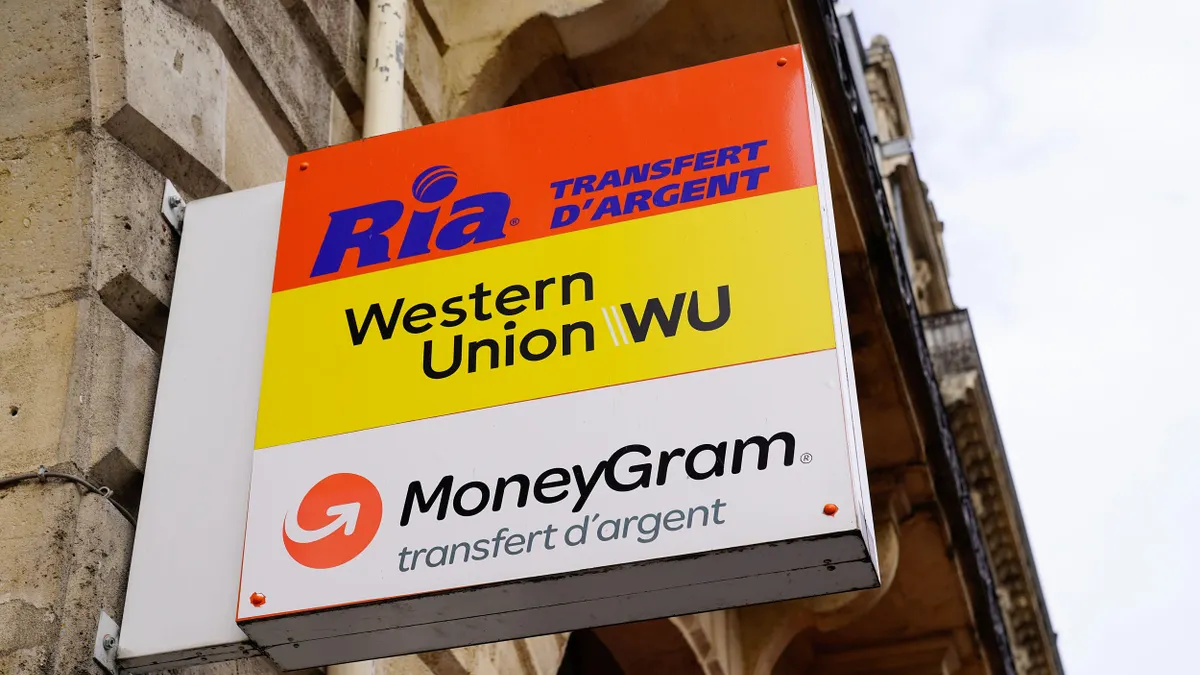
Spokespeople for cross-border payments companies MoneyGram and Remitly declined to comment on the latest FinCEN notice. A Western Union spokesperson didn’t respond to a request for comment.
Cross-border money transmitters have faced some additional pressures during the Trump administration. Earlier this year, the administration proposed to impose a 5% tax on international remittances, but then scaled that figure back to 1% in the final tax and spending bill. It takes effect next year.
The industry’s trade groups had lobbied against the initial bill, saying it would create a significant cost burden. They also objected to a provision that would have made a distinction between U.S. citizens and non-citizens in paying the tax, requiring some consumers to disclose personal information to avoid paying it.
The remittance tax proposal initially applied only to non-U.S. citizens, according to the text of the May 20 House budget proposal, but the ultimate law calls for all consumers to pay the 1% tax.