The buy now, pay later industry experienced a record-setting start to year-end holiday spending, even against a backdrop of growing state regulatory concern about how consumers use such digital financing tools.
Total buy now, pay later spending volume reached $10.1 billion from Nov. 1 to Dec. 1, a 9% year-over-year increase, according to Adobe Analytics. It was the highest figure the analytics firm has ever recorded for that time period and it outpaced the jump in total seasonal spending, which increased 7.1% year-over-year during the same time frame.
Last week, a handful of Senate Democrats, and this week, state attorneys general, demanded more information about how consumers use BNPL products as concerns emerge about mounting consumer debt.
The biggest BNPL providers, including Klarna and Block, reported the holidays were off to a strong start.
Klarna reported total spending volume across its lending products was up 45% from Nov. 1 to Black Friday on Nov. 28, compared to the same time period last year.
The spending volume was a record, a news release saie, although the spokesperson declined to provide a dollar figure.
Digital payments company Block, which owns the buy now, pay later business Afterpay and mobile wallet Cash App, said the total number of transactions across its services was up 10% year-over-year from Black Friday last week to Cyber Monday this week.
A Block spokesperson did not respond to a message requesting more specifics, but the company said in a news release that average buy now, pay later spending per customer was up 6% year-over-year for the period.
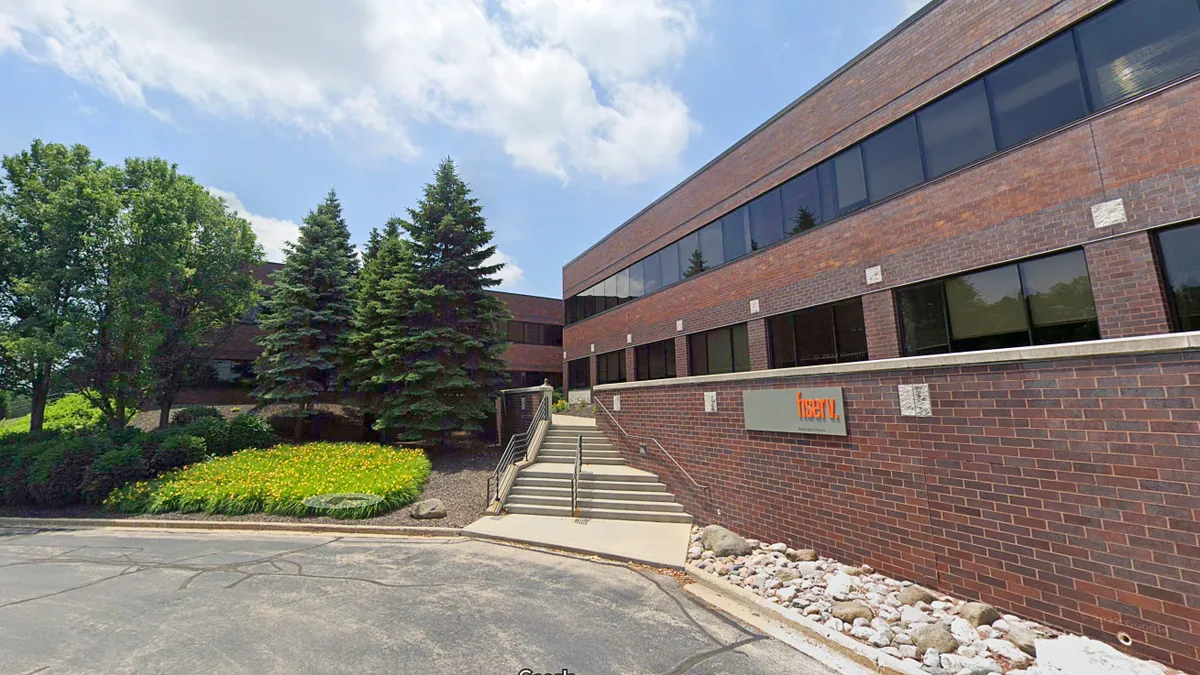
The payment processing behemoth Fiserv said it processed more payments than last year on Black Friday, with sales among its retail customers growing 3.1% and restaurant sales rising 2.9%. Dutch rival Adyen processed $43 billion in payments volume from Black Friday to Cyber Monday, posting a 27% increase over the same weekend in 2024, according to a press release.
But also on Cyber Monday, seven state attorneys general sent letters to six buy now, pay later companies demanding information on their loan products and protocols for resolving customer disputes.
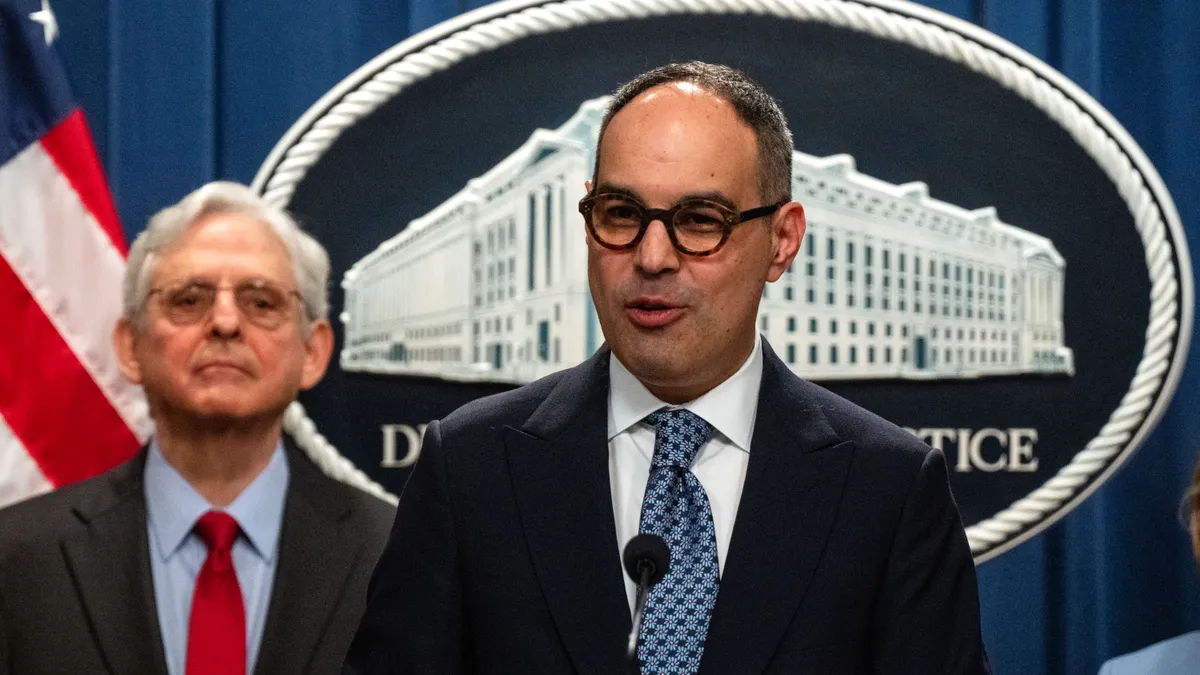
Those letters came just two weeks after similar letters were sent to the biggest BNPL players from several U.S. Senate Democrats asking for details on who uses buy now, pay later products and how many of them pay late.
The senators and attorneys general expressed concern over a lack of federal oversight of the buy now, pay later industry, something that has vexed consumer advocates since the Consumer Financial Protection Bureau spiked a Biden era interpretive rule regulating BNPL transactions like credit card purchases.
Advocates have long warned that by now pay, later encourages overspending and lets consumers pile on debt. However, the industry defends its products as a cheaper and more accessible alternative to traditional forms of credit.
Meanwhile, Adobe Analytics projects total BNPL spending will increase about 11% to $20.2 billion for November and December, compared to those months in 2024.