Bill Holdings appears to be considering a sale, four months after the business payments software company had reached an agreement with activist investors pushing for major changes and better profits.
In October, Bill agreed to shuffle its board to add four new directors, including two proposed by activist hedge fund Starboard Value, which disclosed an 8.5% stake in Bill. At the same time, a second prominent activist, Elliott Investment Management, acquired a stake of at least 5% last year to seek changes at Bill.
A third activist investor, Barington Capital Group, wrote Bill directors in December urging them to slash costs and find a buyer.
To that point, private equity firm Hellman & Friedman has held talks about acquiring Bill, Bloomberg News reported Friday, citing people familiar with the matter. Bill and H&F did not respond to email messages this week seeking comment.
The new directors at Bill – which has juggled growth with financial losses since going public in December 2019 – will help determine whether the company pursues a standalone strategy or seeks to sell itself, said Matthew Coad, a Truist Securities equity analyst.
“It’s kind of like a two-front situation for the activist: Become more profitable. If you don’t become more profitable, just sell the company,” Coad said Wednesday in an interview.
Bill, based in San Jose, California, provides software services to small and midsize companies to help handle payment, invoicing, accounts receivable, spending and expense management and other functions.
The company counted about 498,500 businesses as customers as of Dec. 31, including 9,500 accounting firms that use its software. Bill says its platform processes roughly 1% of U.S. gross domestic product each year.
Last week, Bill reported a $2.6 million net loss for the quarter ending Dec. 31, compared to a $33.5 million profit in the same period of 2024. Revenue rose 14% to $414.7 million.
A financial investor, probably a private equity firm, is the most likely buyer in a Bill sale given the recent interest in financial technology assets by that industry, Coad said, noting several deals for payments companies over the past year.
In May, AvidXchange, an accounts payable and payments software provider, went private in a $2.2 billion deal involving investment fund TPG and Corpay, the business payments company.
The following month, payment firm Melio agreed to a $2.5 billion acquisition by the New Zealand accounting software provider Xero. Like Bill, New York-based Melio focuses on accounts payable and receivables for small and midsize businesses.
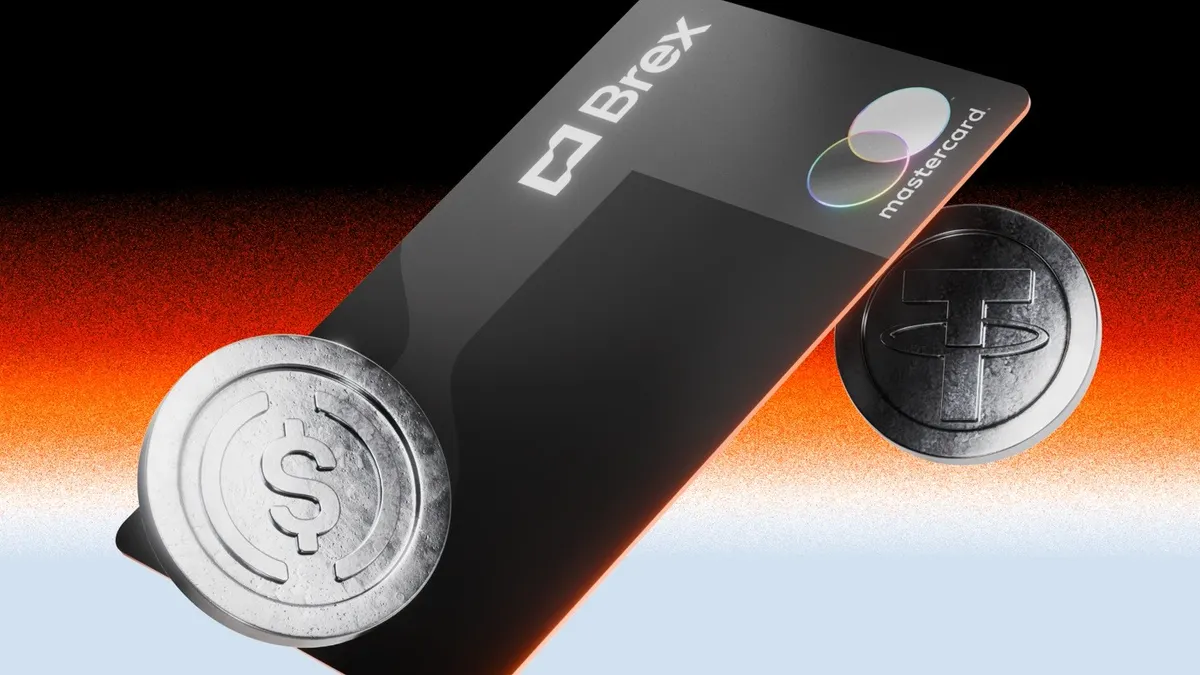
Last month, business software firm Brex agreed to a $5.2 billion sale to Capital One Financial. That deal “provides Bill significant valuation support,” BTIG analyst Andrew Harte said in a Feb. 2 research note.
For a private equity firm, “you buy a core asset and then you use that core asset as a scale play, and you buy other distressed sub-scale assets to grow your business,” he said. “I think Bill, given its scale and volume, could be a good core asset for a private equity shop to buy and then run and play out that strategy.”
In his Dec. 4 letter to Bill, Barington Capital CEO James Mitarotonda said that public investors “appear unwilling to assign a fair valuation to the company’s technology leadership, customer network and long-term prospects,” while private markets “have ascribed significantly higher valuations to companies with similar business models and growth profiles.”
The firm still considers a sale the best way for Bill to realize value for shareholders, Mitarotonda said Thursday in an interview. The New York-based hedge fund holds a Bill stake worth about $20 million.
“There are challenges to this company,” he said. “Growth has decelerated and gross margin has modestly degraded. AI has created additional potential challenges. We do believe this company should be sold now.”
Bill’s takeout value is likely $59 to $70 per share, Truist Securities said in a Feb. 6 note. Bill shares closed Wednesday at $47.02.
“As long as you can get 60 bucks, which is around four times gross profit for it, if you’re an activist shareholder, you’re happy with that,” Coad said. “Not too long ago, Bill was trading at 35 bucks a share.”
In November 2021, Bill traded at $342 per share, Mitarotonda noted in his letter to the company.