While President Donald Trump’s call for a 10% credit card interest rate cap this month fell flat, there’s a hint of a chance the idea could catch on in state legislatures.
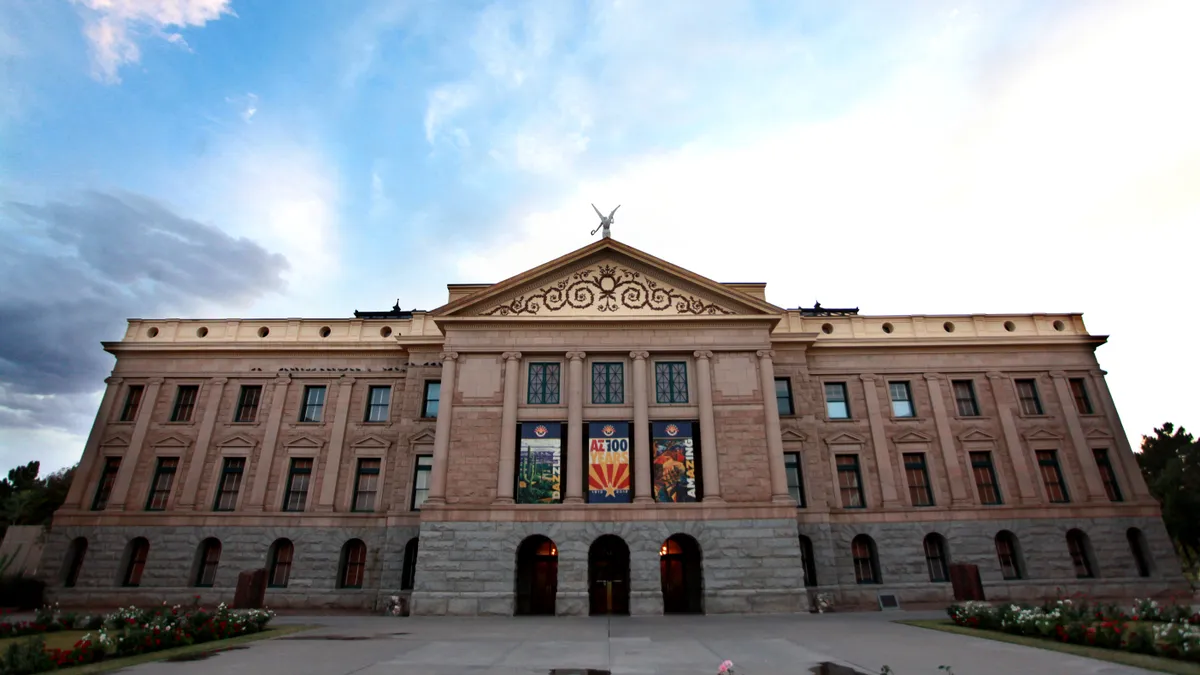
Arizona State Sen. David Gowan introduced a bill last week that would cap card interest rates at 15% in the state and limit late fees to $10, according to the bill text on a site that tracks state legislation. The legislation would also prohibit merchants from imposing surcharges on purchases and would apply retroactively for the year before it becomes effective.
The bill, which was introduced Jan. 29, moved through the Senate Finance and Rules Committees without votes this week and is before the full Senate. Gowan, a Republican from Sierra Vista, couldn’t be reached immediately for additional comment.
The state legislation echoes a bill before Congress that would cap credit card interest rates at 10% for five years. That legislation is backed by a set of bipartisan Congress members in the House and the Senate but it hasn’t made much progress since it was introduced last year, likely because it has stoked intense industry opposition.
Trade groups that represent banks that issue credit cards and the card networks that process transactions have lobbied hard against the bill in Congress. Trump’s idea, floated last month with a requested implementation date of Jan. 20, also faced opposition and went nowhere.
JPMorgan Chase CEO Jamie Dimon took swipes at the idea last month, showing the largest U.S. bank’s disdain for the idea. He mocked the idea, saying it should be tested first in Vermont and Massachusetts, states with U.S. senators who support the idea.
Similarly, the Electronic Transactions Association plans to oppose the Arizona bill, according to Scott Talbott, a spokesperson for the group who had plans to lobby in the state against the bill this month. For the moment, he’s not seen any other states with similar legislation, he said by email.